Okay, so I’m not exactly staying at five-star hotels on the regular – my travel budget is more “find the cheapest thing on Booking.com that doesn’t look like a horror movie set.” But when I do get the chance to step into a really well-designed hotel lobby, especially one that actually gets biophilic design right, it’s honestly kind of life-changing. Like, these spaces make you realize how much your environment affects your mood.
A hotel lobby isn’t just where you awkwardly wait for your room to be ready while trying to look like you belong there. It’s literally the first impression of the entire place – the vibe check that tells you whether you’re going to love this hotel or spend the whole time wishing you’d booked somewhere else. When a lobby actually incorporates biophilic design thoughtfully, it doesn’t just look Instagram-worthy. It functions better and makes you feel genuinely welcomed instead of like you’re standing in a fancy waiting room.
I remember walking into this hotel in Bali a few years ago (okay, it was a work conference and I definitely couldn’t have afforded it otherwise). The lobby was completely open to the outside air, with these massive wooden beams and this incredible courtyard full of ferns and little ponds everywhere. There wasn’t really a clear line between where the building ended and the jungle began. The whole space smelled like rain and growing things, you could hear actual birds, and the visual impact was just stunning. It felt like stepping into something alive rather than just another building.
That’s what really good biophilic hotel design does – it creates spaces that feel like destinations in themselves rather than just places you pass through to get to your actual room.
Here’s something I learned from following way too many design accounts on Instagram: you can’t just throw some plants in a space and call it biophilic design. The materials matter just as much as the greenery. If you want to create that seamless indoor-outdoor connection, everything needs to work together – textures, colors, materials that actually exist in nature. Wood, stone, other organic materials that make the space feel like it’s part of the natural environment instead of just decorated with it.
I stayed at this smaller hotel in northern California once that was surrounded by redwoods. Instead of fighting against that environment, the lobby completely embraced it. They had these enormous wooden pillars running up to the ceiling – you could see the natural grain and character of the wood. One wall had this huge stone fireplace, and all the furniture was arranged to create these cozy conversation areas. It genuinely felt like being inside a really sophisticated tree house. The whole space felt connected to the forest outside in a way that made you want to just sit there and soak it up.
Natural light is honestly one of the most underrated elements in design, especially when you’re someone like me who spends most of their time in a cave-like apartment. Hotel lobbies are often the first space guests see, so lighting can completely make or break that first impression. I’ve been in too many lobbies that feel dim and uninspiring when they could easily be transformed just by thinking more strategically about light.
I worked on a consulting project once for a hotel that was dealing with a really challenging urban space – basically no access to outdoor areas, very limited natural light. We ended up going vertical and installed a skylight that completely changed the whole vibe of the lobby. During the day, you got this amazing natural light filtering down, and at night you could actually see stars. It was a perfect example of working with your constraints instead of just accepting that your space has to feel disconnected from the outdoors.
The interplay between light and shadow is such a crucial part of creating biophilic spaces, and most people don’t think about how dramatically sunlight can change a room’s entire atmosphere throughout the day.
Water features are one of those things that can seem kind of extra when you’re thinking about design on a budget, but they really do change everything about how a space feels. Water adds movement, sound, and this cooling visual effect that just instantly makes a space more engaging. Especially when you’re tired from traveling, the sound of water is incredibly calming and connects you back to natural rhythms.
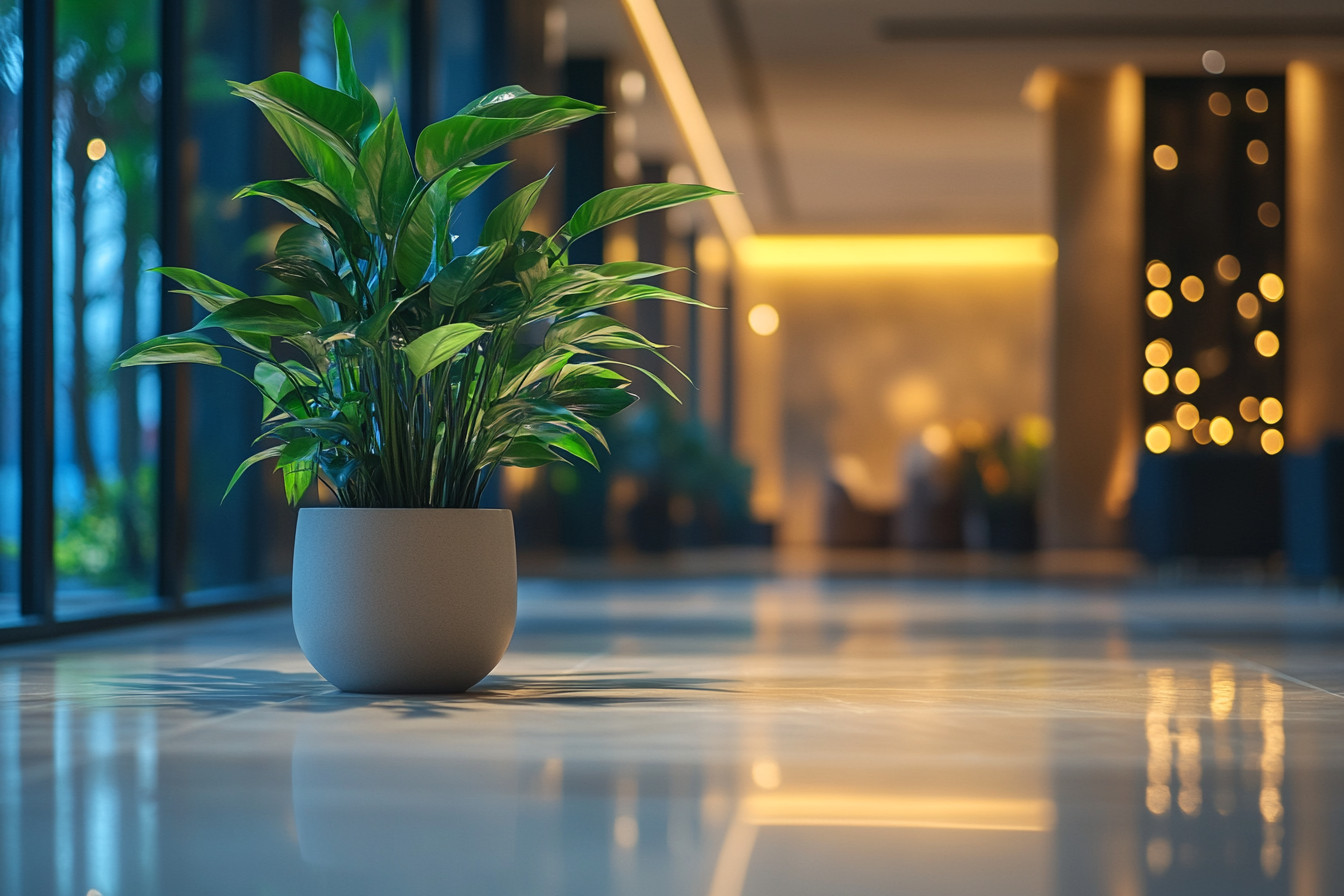
I stayed at this coastal hotel in southern Spain that had this incredible reflecting pool right in the center of the lobby. The surface had these gentle ripples that caught the light and somehow made you feel like the ocean was right there even when you couldn’t actually see it. The sound of the water moving was this subtle background that just made everything feel more peaceful. It’s amazing how water can make a space feel more alive and connected to nature without being overwhelming.
Vertical gardens have gotten really popular in the last few years, and honestly, I get why. Living walls are not only gorgeous to look at, but they’re also incredibly practical for adding lots of greenery when you don’t have much floor space. What I love about them is how they literally put nature front and center instead of just using plants as decoration around the edges.
I saw this amazing example in Singapore where they had this massive living wall in the hotel lobby that actually helped regulate the temperature in the space while also improving air quality. It created this natural focal point that drew your eye and made the whole lobby feel more lush and alive. Plus, from a practical standpoint, vertical gardens are perfect for small spaces – something I definitely think about a lot living in my tiny apartment.
Really effective biophilic design goes way beyond just looking nice and actually engages all your senses. This is honestly where luxury hotels can really set themselves apart, because lots of places look good in photos but don’t create that full sensory experience that makes a space memorable.
Think about natural scents, the sounds of water or even recorded nature sounds, textures you can actually touch, lighting that changes throughout the day. When you create an environment that feels truly alive and full of natural rhythms and frequencies, it’s a completely different experience than just a pretty room with some plants.
Movement through space is something most people don’t even think about, but it makes such a huge difference in how comfortable and welcomed you feel in a lobby. Most hotels stick to pretty rigid pathways – you come in, there’s the front desk, you go straight to the elevators. Very functional, very boring.
The most interesting lobbies I’ve experienced have more organic flow patterns that encourage you to meander a bit and discover different areas. Instead of everything being visible and straightforward, you might round a corner and find a cozy seating area or stumble across an unexpected art installation. It’s about creating those little moments of delight that make a space feel more alive and engaging.
One of the things I find most exciting about biophilic design is how it can reflect the specific local environment instead of just using generic “nature” elements. When I’m traveling, I want to feel connected to where I actually am, not like I’m in some standardized hotel template that could be anywhere.
I stayed at this desert hotel in Arizona that really got this right. Instead of trying to make the lobby feel lush and tropical, they leaned into the beauty of desert landscapes. The space was full of cacti, succulents, desert wildflowers – plants that actually belonged in that environment. They even incorporated local stone and created this floor that looked like desert rock formations. It felt authentic and connected to place in a way that made the hotel feel like an extension of the surrounding landscape.
When hotels actually mirror their local environment, it enhances your whole experience of being in that place. Indoor and outdoor spaces start to blur together in a way that feels organic rather than forced.
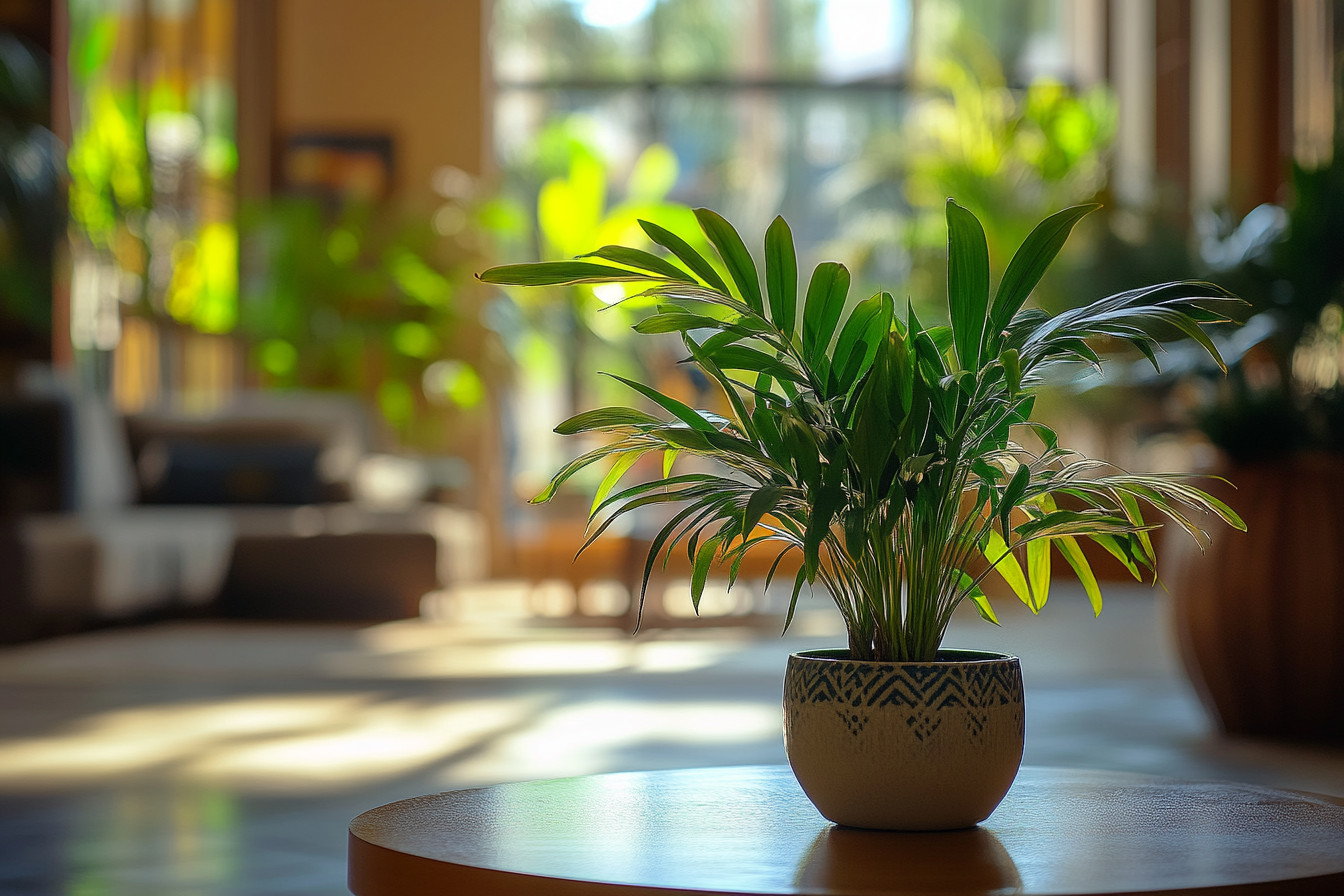
The most successful biophilic lobbies I’ve seen combine natural elements with local art and craftsmanship. This blend reminds you that biophilic design isn’t just about copying nature directly – it’s about honoring all the different ways humans interact with and interpret the natural world.
This approach also brings attention to sustainability and where materials actually come from, which is something I think about a lot more now that I’m trying to make more conscious choices about consumption and environmental impact.
One of the biggest challenges in hotel lobby design is dealing with scale. Hotel

Robert is a retired engineer in Michigan who’s spent the past few years adapting his longtime home for accessibility and wellbeing. He writes about practical, DIY ways to make homes more comfortable and life-affirming as we age — from raised-bed gardens to better natural light.