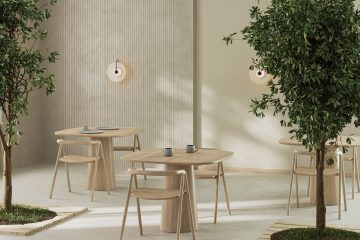
So I've been thinking a lot lately about this whole obsession we have with trying to recreate jungle vibes everywhere we live, regardless of whether it makes any sense. It started when I visited my friend Maya in Phoenix last summer – she'd just moved there from Portland and was literally trying to grow ferns in the desert. Her water bill was like $300 a month and everything looked miserable.
"I just need it to feel alive," she said, gesturing at her dying hostas. "All the desert stuff looks so… brown and dead." This is such a common thing I hear, especially from people who grew up in places with more water. We've somehow convinced ourselves that green equals good and anything else is basically a wasteland.
But here's the thing – I've been following a bunch of drought-tolerant gardening accounts on Instagram lately (thanks, algorithm), and desert plants are actually incredible. Like, agaves are basically living sculptures. Desert marigolds are bright yellow and gorgeous. We just don't know how to see them because we're so programmed to think "lush and green" is the only way nature can be beautiful.
This became really obvious to me when Chicago started having water restrictions last summer. Suddenly everyone was freaking out about keeping their plants alive, and I'm over here with my mostly drought-tolerant houseplants just… fine. My snake plants and ZZ plants were thriving while people's fiddle leaf figs were dying left and right.
I started researching what's called "zero-water biophilic design," which is basically figuring out how to make spaces feel connected to nature without wasting tons of water. It's becoming a bigger deal as more places deal with droughts and water restrictions, but it's also just smarter design in general.

The key thing I learned is that our need for nature isn't actually about having everything be green and watery. It's about having <a href="https://biophilicflair.com/accessible-biophilic-design/">spaces that feel alive</a> and varied and engage our senses. You can totally do that with desert-adapted plants and creative design choices.
Here's what actually works when you're trying to create nature-connected spaces without drowning your water bill:
**Work with rocks and stones.** I know this sounds boring, but hear me out. Different textures and sizes of stone create visual interest and actually help with temperature regulation. I've seen some amazing dry creek beds that look like water is flowing even when they're completely dry. There's something about the curved lines and varied stone sizes that tricks your brain into seeing movement.
Plus, rocks absorb heat during the day and release it slowly, which creates these mini microclimates. Way more interesting than just throwing down some mulch and calling it a day.
**Choose plants that actually want to live where you are.** This seems obvious but apparently it's not? If you live somewhere hot and dry, work with plants that evolved to handle hot and dry conditions. They're not just surviving – they're often way more interesting than their water-hungry alternatives.
Mediterranean herbs like rosemary, thyme, and lavender smell incredible and can handle serious drought. Ornamental grasses add movement and sound when the wind hits them. Succulents come in wild shapes and colors that definitely don't look "brown and dead" if you actually pay attention to them.
I started a little herb garden on my fire escape using drought-tolerant varieties, and honestly, they've been more successful than any of my attempts to grow regular herbs indoors. Turns out plants are happier when you're not constantly fighting their basic needs.
<img class="size-full" src="https://biophilicflair.com/wp-content/uploads/2025/08/im1979_Zero-Water_Biophilic_DesignCreating_nature-connected_s_249a2de8-4048-4d96-ab6e-1c8a95fd6f42_0.jpg" alt="im1979_Zero-Water_Biophilic_DesignCreating_nature-connected_s_249a2de8-4048-4d96-ab6e-1c8a95fd6f42_0" />
**Get creative with light and shadow.** This is something I never thought about until I started dealing with my apartment's terrible lighting situation. Strategic shade can make a space feel way cooler and more comfortable without actually changing the temperature that much.
I've seen some cool examples online of people using pergolas or shade cloth to create these moving shadow patterns throughout the day. It's like having natural artwork that changes constantly. Way cooler than just having harsh sun beating down on everything.
Even in my tiny apartment, I've played around with sheer curtains and plants to create different light patterns on my walls. It's subtle but it makes the space feel more dynamic and less like a static box.
**Think about sound beyond water features.** Everyone assumes you need a fountain to get relaxing nature sounds, but that's just not true. Wind chimes, grasses that rustle in the breeze, even strategically placed surfaces that amplify bird sounds can create that same calming audio experience.
I hung some bamboo wind chimes outside my window and honestly, they're one of my favorite additions to my little outdoor space. There's something really meditative about the random patterns of sound when the wind hits them.
**Use temperature differences strategically.** This is more relevant for bigger outdoor spaces, but the principle works even in small areas. Different materials heat up and cool down at different rates, so you can create spots that feel notably cooler or warmer just through smart material choices.
Stone stays cool even when it's hot out, which is why stone benches or tables can feel refreshing. Dark materials absorb heat, light materials reflect it. You can use these differences to make a space more comfortable without running air conditioning or water features.
The thing that really changed my perspective on all this was realizing that our obsession with lush, green, water-intensive landscapes is actually pretty recent and specific to certain economic situations. Like, if you look at traditional gardens from arid regions around the world, they're often incredibly beautiful but use completely different approaches.
Persian gardens, Japanese dry gardens, Mediterranean courtyards – these aren't "lesser than" versions of English gardens. They're sophisticated design traditions that work with local conditions instead of fighting them.
I think there's also something to be said for the authenticity factor. Spaces that honestly reflect where they are instead of trying to pretend they're somewhere else just feel more genuine. When you're not constantly battling the local climate, you can actually appreciate what's unique and beautiful about it.
This doesn't mean you can't use any water at all. But maybe instead of having water features running constantly as background noise, you use water more strategically. A small reflecting pool that doubles available light. A misting system that only runs during the hottest part of the day. Water becomes special instead of assumed.
<img class="size-full" src="https://biophilicflair.com/wp-content/uploads/2025/08/im1979_Zero-Water_Biophilic_DesignCreating_nature-connected_s_249a2de8-4048-4d96-ab6e-1c8a95fd6f42_1.jpg" alt="im1979_Zero-Water_Biophilic_DesignCreating_nature-connected_s_249a2de8-4048-4d96-ab6e-1c8a95fd6f42_1" />
I'm obviously not a landscape architect or anything – I'm just someone who got tired of killing plants and started paying attention to what actually works in different conditions. But I think there's something important here about rethinking our assumptions about what makes a space feel connected to nature.
Maybe the goal isn't to recreate some idealized version of a temperate forest everywhere we go. Maybe it's about learning to see the beauty in whatever ecosystem we're actually part of, and designing spaces that work with that reality instead of against it.
Plus, let's be real – as climate change makes water more scarce in more places, these aren't going to be niche concerns for much longer. Learning to create beautiful, livable spaces without excessive water use is probably going to become a basic skill we all need.
For now, I'm just trying to apply these ideas in small ways to my own tiny space. Working with drought-tolerant plants, thinking about light and temperature and sound in more creative ways, accepting that "brown" doesn't equal "dead." It's been a learning process, but honestly a pretty satisfying one.
And my water bill is definitely happier, which doesn't hurt.

Robert is a retired engineer in Michigan who’s spent the past few years adapting his longtime home for accessibility and wellbeing. He writes about practical, DIY ways to make homes more comfortable and life-affirming as we age — from raised-bed gardens to better natural light.