I’ll be honest – I had never heard the word “biophilic” until my son’s ADHD diagnosis led me down a research rabbit hole about environmental factors affecting kids’ behavior. But once I discovered it, everything clicked. It wasn’t just another design buzzword – it explained why my daughter calmed down near that one living room window during those brutal colicky nights, and why both kids seemed happier after we started transforming our backyard from boring lawn into something more natural.
The word comes from Greek roots: ‘bios’ meaning life and ‘philia’ meaning love or friendship. Basically, it describes our built-in human need to connect with living things and natural environments. When I first read about this concept, it was like someone had put words to feelings I’d been having but couldn’t quite articulate.
You know those moments when you step outside after being cooped up inside all day and just feel… better? Or when you’re sitting in a park and suddenly your stress level drops? That’s biophilia in action. It’s not just in your head – it’s actually hardwired into us from millions of years of human evolution in natural settings.
**Why This Matters More Than Just “Going Green”**
Here’s something I learned that really changed how I think about our home environment: biophilic design is different from just “green” or “sustainable” design. Don’t get me wrong – I’m all for eco-friendly materials and energy efficiency. We’ve slowly been replacing our old windows with better ones partly for the energy savings.
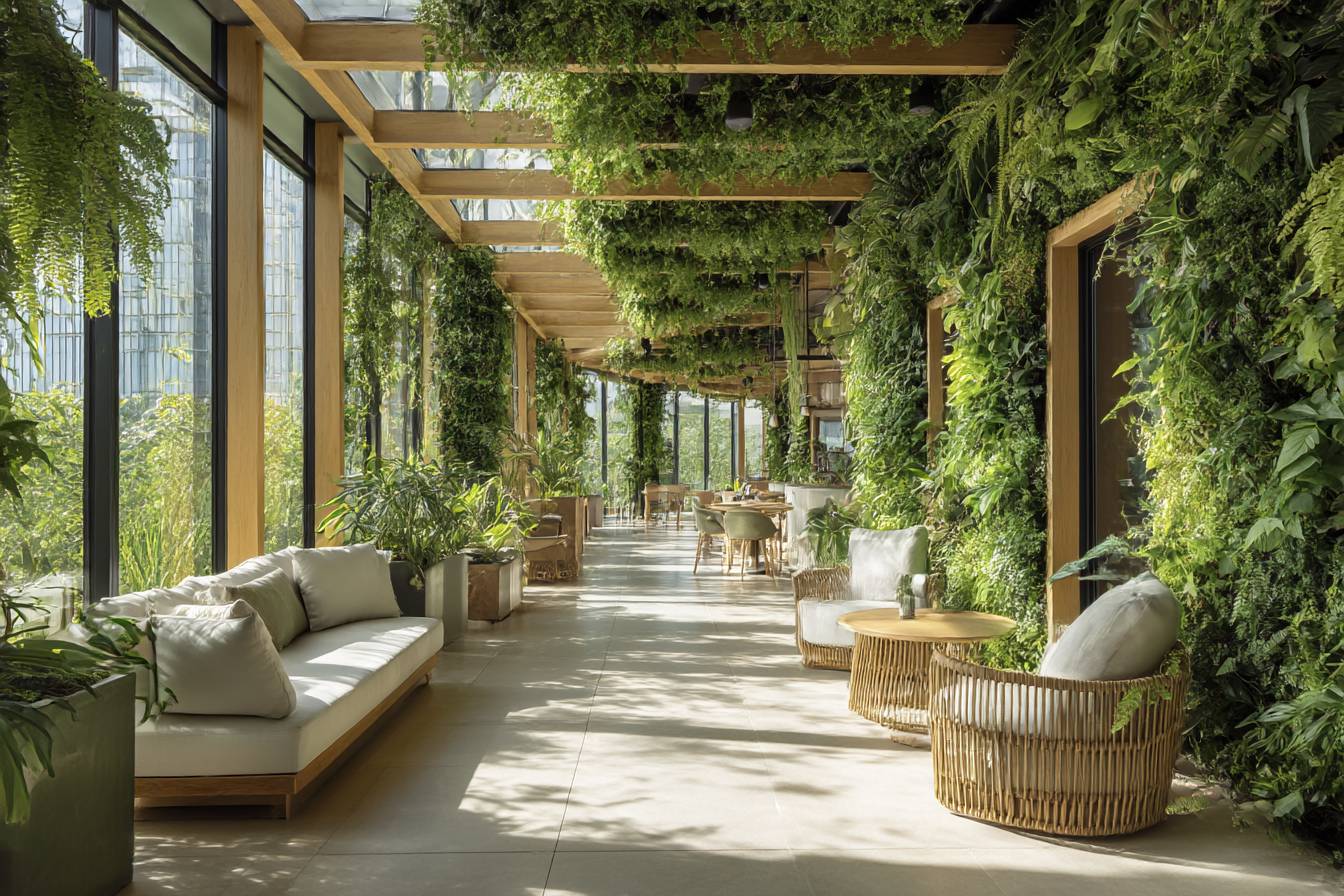
But biophilic design goes deeper. While sustainable design focuses on reducing environmental impact, biophilic design focuses on what nature does for us humans psychologically and emotionally. It’s about creating spaces that don’t just minimize harm to the environment, but actually make us feel better by connecting us with natural elements.
I see this with my kids constantly. My son with ADHD doesn’t just need a quiet homework space – he needs natural light, a view of our garden, maybe a small plant on his desk. It’s not about having “green” furniture; it’s about creating an environment that works with his brain instead of against it.
**The Science Behind Why This Works**
The more I read about this stuff (usually during those late-night research sessions when I should be sleeping), the more fascinated I got with the psychology behind it. There’s actually a whole field of research on something called the “biophilia hypothesis,” developed by this guy Edward O. Wilson.
The basic idea is that our attraction to nature isn’t just aesthetic preference – it’s evolutionary programming. Our ancestors lived in natural environments for millions of years, so we’re literally wired to feel more comfortable and alert around things like flowing water, green plants, natural light patterns, and organic textures.
This explains why my kids sleep better in rooms with warmer, natural color schemes and blackout curtains that mimic natural day/night cycles. Or why they’ll spend hours playing in our mud kitchen area but get restless in that sterile basement playroom we initially set up with all their toys but no natural elements.
**How Biophilic Thinking Shows Up in Everyday Life**
Once you start noticing this stuff, you see it everywhere. I catch myself choosing the restaurant table by the window, or feeling more relaxed in offices that have plants and natural materials versus the sterile corporate environments I dealt with in my old job.
Even small things make a difference. I started keeping a plant on my home office desk, not because I’m trying to be trendy, but because I noticed I felt less stressed during long work sessions when I had something living and green in my peripheral vision. My wife thought I was going overboard when I insisted on replacing our heavy living room curtains with ones that let in more natural light, but even she admits the room feels more welcoming now.
The kids do this instinctively too. Give them the choice between playing in a room with natural light and plants versus one with just artificial lighting and synthetic materials, and they’ll gravitate toward the more natural space almost every time. They don’t know why – they just feel better there.
**What This Means for Families**
Understanding our natural need for biophilic environments has completely changed how I approach creating spaces for my family. It’s not about expensive renovations or turning our house into some kind of jungle. It’s about recognizing that humans – especially developing kids – need connections to natural elements for their mental and emotional wellbeing.
This might mean choosing paint colors that reflect natural tones instead of stark whites. Or prioritizing natural light when setting up a homework area. Or creating outdoor spaces where kids can actually interact with plants, soil, and water instead of just looking at them.
I’ve started noticing how this plays out in larger community settings too. My kids’ school is pretty typical – lots of windowless interior classrooms, fluorescent lighting, minimal outdoor space beyond concrete playground equipment. The kids who struggle with attention and behavior issues (like my son) seem to do better on days when they’ve had more outdoor time or when they’re in one of the few classrooms with decent natural light.
**The Bigger Picture**
What really gets me excited about biophilic design is how it could change entire communities. When I volunteer with our local parks department on nature play area projects, I see how these spaces benefit all kinds of families. Kids with sensory processing issues, anxiety, attention challenges – they all seem to thrive in environments that incorporate natural elements in thoughtful ways.
Cities that prioritize biophilic principles in their planning – more green spaces, buildings that incorporate natural light and materials, urban designs that connect people with nature instead of isolating them from it – tend to have healthier, happier residents. It’s not just about individual wellness; it’s about creating communities that work better for human beings.
**Making It Personal**
The thing about embracing biophilic principles is that it doesn’t require becoming an expert in design or spending a fortune on renovations. It starts with paying attention to how different environments make you and your family feel, then making small changes that bring more natural elements into your daily life.
Maybe that’s adding plants to frequently used rooms, maximizing natural light where possible, choosing natural materials when you’re replacing things anyway, or creating outdoor spaces that invite interaction with nature. For us, it meant gradually transforming our dark, closed-off house into something that feels more connected to the natural world – not perfect, but definitely more supportive of how we actually want to live.
The more I learn about this stuff, the more convinced I become that understanding our biophilic nature isn’t just about personal comfort. In a time when kids are dealing with increasing rates of anxiety, attention issues, and disconnect from the natural world, creating environments that honor our evolutionary need for nature feels pretty essential.
It’s about recognizing that we’re not separate from the natural world – we’re part of it, and our wellbeing depends on maintaining that connection, even in suburban houses and urban environments. Every small step toward more biophilic living is a step toward healthier families and communities.

David is a dad of two who started caring about design after realizing how much their home environment affected his kids’ moods and sleep. He writes about family-friendly, budget-friendly ways to bring natural light, plants, and outdoor play back into everyday life.