I've been thinking a lot about what makes some restoration projects actually work while others just feel like expensive band-aids on old buildings. Part of it comes from living in my own less-than-ideal space and getting obsessed with how design choices affect daily life, but I've also been following some really interesting projects through architecture blogs and Instagram accounts that focus on sustainable renovation.
Last week I came across this thread about a Victorian warehouse conversion in Baltimore that completely changed my perspective on what restoration can accomplish. The developer had originally tried the typical "luxury loft" approach – basically gutting the interior and installing generic finishes – and couldn't keep tenants. People were touring these units and walking away because they felt like expensive concrete boxes.
The turnaround happened when they brought in designers who actually understood what made the original building work. Instead of fighting against the warehouse's industrial character, they enhanced it. Those massive south-facing windows that had been boxed in with unnecessary framing? They opened them back up and suddenly each unit had this incredible connection to the street trees outside.
<blockquote>What really got me was reading about how they approached the climate control systems. The developer wanted standard HVAC throughout, but the design team pushed back and restored the building's original passive ventilation strategy instead. These old warehouses were designed for airflow – the tall ceilings and strategic window placement created natural cooling patterns that had worked for over a century.</blockquote>
They kept mechanical backup systems because Baltimore summers are brutal, but they designed operable windows that work with the building's thermal patterns. Residents are actually using these systems, and utility bills are running about 30% lower than similar conversions. That's the kind of practical outcome that makes me wish more developers understood how much money they could save by working with a building's original design instead of against it.

<img class="size-full" src="https://biophilicflair.com/wp-content/uploads/2025/09/im1979_restore_design_examples._ultra-realistichyper-detailed_5f81825d-ea6b-4244-a7c8-b06436989405_0.jpg" alt="im1979_restore_design_examples._ultra-realistichyper-detailed_5f81825d-ea6b-4244-a7c8-b06436989405_0" />
The material choices also made sense from both environmental and budget perspectives. They salvaged and cleaned the original brick walls instead of covering them up. They sourced reclaimed wood accent walls from a local furniture maker instead of shipping in fake wood-grain vinyl. They installed living wall systems that actually improve air quality instead of just looking pretty.
This connects to another project I've been following in San Antonio's Pearl District – a massive brewery complex conversion that's treating the renovation as ecosystem restoration rather than just building renovation. The original brewery had this amazing relationship with the San Antonio River that previous "restoration" attempts had completely ignored.
The current team gets it, though. They've created courtyards that reference the original informal spaces but function better for contemporary use. Native Texas plants arranged to provide natural cooling and manage stormwater. On-site salvage operations that catalog everything from original hardware to old-growth pine beams and integrate them functionally rather than just decoratively.
The really smart part is how they're using the brewery's original fermentation spaces. These rooms had specific temperature and humidity requirements that created unique microclimates. Instead of fighting that, they're using those spaces for urban agriculture – community gardens that will supply the restaurants going into the ground floor retail spaces.
<img src="https://biophilicflair.com/wp-content/uploads/2025/09/im1979_restore_design_examples._ultra-realistichyper-detailed_5f81825d-ea6b-4244-a7c8-b06436989405_1.jpg" alt="im1979_restore_design_examples._ultra-realistichyper-detailed_5f81825d-ea6b-4244-a7c8-b06436989405_1" class="size-full" />
Then there's this 1920s elementary school restoration in Portland that really shows how these principles can work at a smaller scale. The school district wanted to demolish and build new, but the community fought to preserve it. Smart move, because the building had sustainable features that modern schools rarely include.
The original architects had designed integrated daylighting systems – high windows with light shelves that bounced natural light deep into classrooms while preventing glare. Hallways positioned for cross-ventilation. Operable windows sized for both light and air circulation. Plus mature oak trees that provided summer cooling and winter solar gain.
<img class="size-full" src="https://biophilicflair.com/wp-content/uploads/2025/09/im1979_restore_design_examples._ultra-realistichyper-detailed_5f81825d-ea6b-4244-a7c8-b06436989405_1.jpg" alt="im1979_restore_design_examples._ultra-realistichyper-detailed_5f81825d-ea6b-4244-a7c8-b06436989405_1" />
The restoration kept all of that but enhanced it with contemporary approaches. Non-toxic materials throughout – low-VOC paints, natural fiber insulation, sustainably harvested wood flooring. The old gymnasium became a multi-purpose space with a living wall system that manages indoor air quality while creating a visual focal point.
But what really makes this project work is how they handled outdoor spaces. The original playground was mostly asphalt – standard for the era. The restoration created learning gardens, outdoor classrooms, and play areas with native plants, natural materials, and water features for stormwater management. Kids are literally learning science by observing seasonal changes in their school environment.
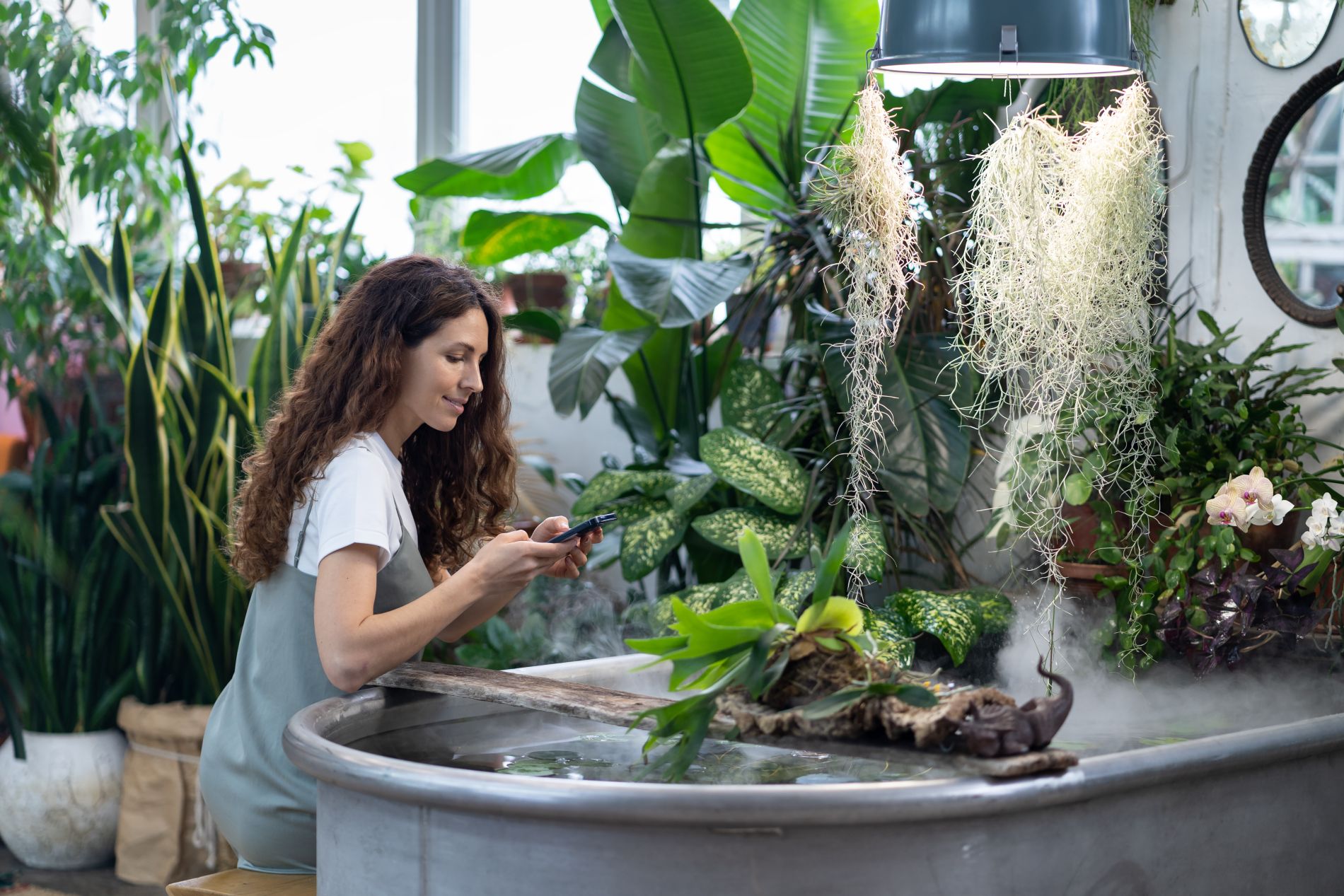
<blockquote>I love reading about how the energy in the building changed after the restoration. Parents lingering in hallways during conferences, kids showing off garden projects they'd worked on, everyone seeming more present and engaged rather than just passing through. The spaces were inviting people to slow down and connect rather than rush past.</blockquote>
These projects work because they understand that restoration isn't about recreating the past – it's about identifying what made historical buildings successful, then enhancing those qualities with contemporary knowledge about how people interact with their environments. The warehouse's natural ventilation, the brewery's connection to water, the school's daylighting strategies – these weren't just period features, they were sophisticated responses to climate and human needs that we can still learn from.
What gets me excited about this approach is how it combines historical wisdom with current research on how contact with nature affects wellbeing, sustainable materials, and regenerative systems. These projects aren't just preserving buildings; they're restoring the relationships between people and place that made these structures meaningful originally.
Living in my tiny dark apartment has made me hyper-aware of how much design choices affect daily life. When I see restoration projects that actually improve how people feel in their spaces while also reducing environmental impact and operating costs, it gives me hope that we can do better than the generic luxury developments that dominate most cities. We just need more developers willing to invest in understanding what they're working with instead of defaulting to the cheapest, most standardized approach.

Robert is a retired engineer in Michigan who’s spent the past few years adapting his longtime home for accessibility and wellbeing. He writes about practical, DIY ways to make homes more comfortable and life-affirming as we age — from raised-bed gardens to better natural light.