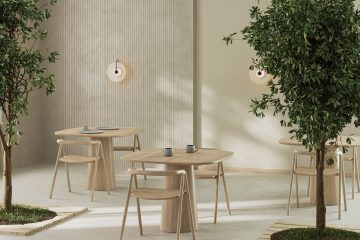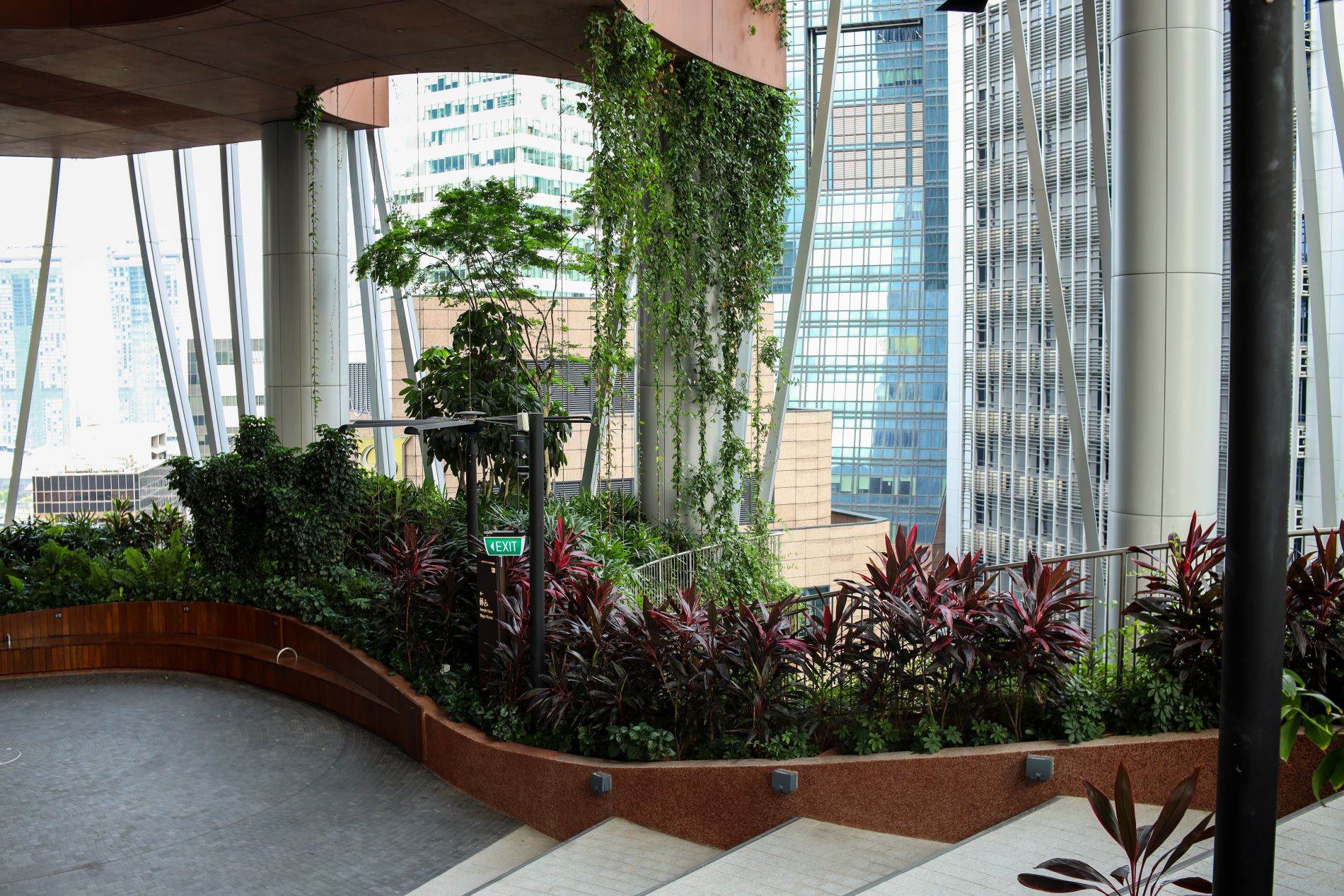
Last month I was driving around Austin's east side looking for a decent standing desk on Craigslist when I spotted this warehouse with "Restore Design Center" painted across the front. The parking lot was packed, which seemed weird for what looked like another boring surplus store. But I had time to kill before my next video call, so I figured why not check it out.
Walking through those doors was like discovering some secret that everyone else already knew about. Massive space filled with salvaged furniture, reclaimed wood sorted by type, vintage office equipment, and architectural elements that would cost a fortune at trendy design stores. But here's the thing – everything was priced to actually sell, not sit around collecting dust.
The person working there, Janet, turned out to be a former interior designer who got fed up with waste in traditional renovations. "You wouldn't believe what people throw away," she told me while I examined some solid wood desk components. "Last week someone donated eight boxes of brand-new tile because they ordered the wrong shade. Not damaged, not defective – just slightly off from what they wanted."
That conversation got me thinking. I've spent years optimizing my home office for better productivity, tracking everything from lighting to air quality to plant placement. But I'd never really considered the environmental impact of all the furniture and materials I'd bought new over the years.
<blockquote>These restore design centers operate on what I'd call "circular productivity principles." Instead of the typical approach where you decide what you want and then go buy it new, you browse available materials first and let those discoveries drive your decisions. It's like A/B testing for interior design.</blockquote>

<img class="size-full" src="https://biophilicflair.com/wp-content/uploads/2025/09/im1979_habitat_for_humanity_restore_design_center._ultra-real_04a3bdf9-f749-4556-95f9-2895a9716694_0.jpg" alt="im1979_habitat_for_humanity_restore_design_center._ultra-real_04a3bdf9-f749-4556-95f9-2895a9716694_0" />
Janet showed me their impact reports – their location alone has diverted over 2,000 tons of materials from landfills in three years. As someone who tracks metrics obsessively, those numbers caught my attention. That's not just waste reduction; it's preventing all the carbon emissions from manufacturing replacement materials. When you factor in reduced transportation costs from sourcing locally, the environmental ROI gets even better.
But what really fascinated me was watching how these spaces change the way people approach design decisions. I observed a couple spending two hours examining vintage laboratory cabinets, trying to figure out how they might work in a home office setup. By the time they left, they'd sketched out plans for the most unique desk system I've ever seen – incorporating the cabinets' built-in organization features into something that would've cost $3,000+ custom-built but they'd create for under $400.
The staff knowledge at these places is incredible. These aren't retail clerks reading specs off tags. I'm talking about craftspeople, former contractors, people who understand materials deeply. They can identify wood species by grain patterns, tell you which hardware will hold up under daily use, and spot quality construction details that most people would miss.
My favorite discovery was their "materials library" – organized samples of reclaimed wood, metal, stone, and fixtures sorted not just by type but by era and original use. Looking for mid-century modern elements? They've got samples from dozens of period-appropriate sources. Need industrial materials that complement a tech worker aesthetic? They can show you options ranging from factory window frames to reclaimed steel shelving.
The community aspect surprised me. These centers function as informal meetups for local makers and renovators. I've started attending their weekend workshops partly for the materials, partly for the conversations. Last month I learned more about wood finishing techniques from a retired furniture maker than I'd picked up from YouTube tutorials. The week before, someone taught impromptu methods for refurbishing vintage task lighting.
<img src="https://biophilicflair.com/wp-content/uploads/2025/09/im1979_habitat_for_humanity_restore_design_center._ultra-real_04a3bdf9-f749-4556-95f9-2895a9716694_0.jpg" alt="im1979_habitat_for_humanity_restore_design_center._ultra-real_04a3bdf9-f749-4556-95f9-2895a9716694_0" class="size-full" />
They're also solving cost barriers in sustainable design. Traditional eco-friendly furniture often carries premium price tags that make it inaccessible for remote workers on typical salaries. Restore centers democratize access to high-quality, environmentally responsible materials. That solid wood I mentioned? Comparable new furniture would've cost four times as much. The savings let me invest in better ergonomic accessories and lighting upgrades that actually impact my daily productivity.
The network is expanding rapidly. Individual operations have grown into coordinated regional systems. Centers share inventory databases, transfer materials between locations based on demand, and collaborate on large projects. When a major company renovated offices across multiple cities, restore centers coordinated to handle materials that otherwise would've gone straight to dumpsters.
<img src="https://biophilicflair.com/wp-content/uploads/2025/09/im1979_habitat_for_humanity_restore_design_center._ultra-real_04a3bdf9-f749-4556-95f9-2895a9716694_1.jpg" alt="im1979_habitat_for_humanity_restore_design_center._ultra-real_04a3bdf9-f749-4556-95f9-2895a9716694_1" class="size-full" />
Some locations now offer design consultation services. They'll help plan projects around available materials, provide installation support, even handle custom modifications to adapt salvaged pieces for modern use. I recently worked with a center's designer to create a desk system from reclaimed conference table components. Got furniture with character and history for less than typical office supply costs.
<img class="size-full" src="https://biophilicflair.com/wp-content/uploads/2025/09/im1979_habitat_for_humanity_restore_design_center._ultra-real_04a3bdf9-f749-4556-95f9-2895a9716694_1.jpg" alt="im1979_habitat_for_humanity_restore_design_center._ultra-real_04a3bdf9-f749-4556-95f9-2895a9716694_1" />

The movement faces challenges – insurance concerns around used materials, quality control with unknown provenance items, storage demands for constantly changing inventory. But successful centers have developed systems that address these issues while maintaining their core mission of keeping materials in circulation.
<blockquote>What excites me about restore design centers is how they embody optimization principles I apply to productivity tracking – working with existing resources more efficiently rather than constantly acquiring new ones. Every reclaimed piece represents avoided manufacturing emissions. Every salvaged fixture reduces mining impacts. Every creative reuse project proves that smart systems can work with natural resource cycles instead of against them.</blockquote>
If you haven't checked out restore design centers in your area yet, you're missing both incredible deals and a completely different approach to workspace design. Check their websites first – most post recent acquisitions and upcoming workshops. Bring measuring tape and an open mind. Maybe bring someone who can talk you out of that amazing but totally impractical vintage drafting table.
I've been tracking my productivity metrics since switching to mostly reclaimed materials in my office setup. Early data suggests no difference in work performance, significantly lower environmental impact, and about 60% cost savings compared to buying everything new. Still collecting data, but the trend looks promising.

Peter is a Boston-based research associate studying lifecycle assessment and embodied carbon in building materials. He translates complex environmental data into practical takeaways for architects and builders seeking genuine, science-based sustainability.