I never thought much about city planning until I watched my neighborhood flood three times in one summer. Standing in my kitchen, looking out at the water rushing down our street – again – I started wondering why we keep building cities that fight against nature instead of working with it. That question led me down a research rabbit hole that completely changed how I think about urban environments.
It started when I read about Copenhagen's Ørestad district. This isn't your typical urban development story. They basically designed an entire neighborhood that actively improves the environment around it. I'm talking about streets that clean rainwater as it flows through them, buildings that produce more energy than they use, public spaces that literally filter air pollution. My first thought was: why doesn't every city do this?
The more I read, the more I realized there's a name for this approach: <a href="https://biophilicflair.com/regenerative-design-sustainable-beyond-green-building/">regenerative urban design</a>. It's different from just making cities "greener" or more sustainable. Sustainable design tries to do less harm – use less energy, create less waste. Regenerative design goes further and asks: how can our cities actually make things better? How can a neighborhood leave its environment healthier than it found it?
This got me looking at my own city differently. We've got vacant lots that turn into temporary lakes every time it rains hard. Concrete everywhere that bakes in summer heat. Schools where my kids sit in windowless rooms breathing recycled air all day. I started thinking: what if we designed these spaces to solve problems instead of creating them?
Singapore has been doing this for years with something they call "<a href="https://biophilicflair.com/biophilic-singapore-the-city-embracing-nature-based-design/">City in a Garden</a>." They turned boring drainage ditches into beautiful parks that prevent flooding while creating habitat for wildlife. Their Bishan-Ang Mo Kio Park used to be just a concrete canal – now it's home to dozens of bird species and butterfly species while still managing stormwater better than the old system did. Plus, people actually want to spend time there with their families.

Then I learned about Medellín, Colombia. This city had serious problems with violence and poverty, but they used green infrastructure as part of the solution. They restored streams and turned them into linear parks with bike paths. Connected isolated neighborhoods with green corridors. The results weren't just environmental – crime went down, air quality improved, and communities got stronger. When you give people beautiful, functional public spaces, amazing things happen.
What really caught my attention was how these projects address multiple problems at once. Traditional city planning tends to handle issues separately – transportation over here, stormwater management over there, parks somewhere else entirely. Regenerative design looks for solutions that tackle several challenges simultaneously.
Detroit is a perfect example. When the city lost so much of its population, instead of just trying to rebuild exactly what was there before, they started experimenting with urban farms and green infrastructure. The Michigan Urban Farming Initiative transforms vacant lots into productive spaces that provide fresh food, job training, and community gathering places all at the same time. It's brilliant – they're healing the land and strengthening communities together.
I spent hours reading about Portland's Green Streets program. They've installed over 2,000 bioswales throughout the city – basically landscaped areas that capture and filter stormwater runoff. These aren't just functional; they beautify neighborhoods while managing 1.6 billion gallons of stormwater every year. Compare that to the cost of traditional storm drains and treatment facilities, and the green approach wins on both environmental and economic grounds.
Barcelona's "superblocks" approach fascinated me too. They reorganized traffic patterns to create large pedestrian areas with more space for trees, playgrounds, and social interaction. Air quality improved, noise decreased, and people started using public spaces more. Kids have safer places to play, adults have places to gather – it addresses quality of life issues while tackling environmental problems.
The financial side of this makes sense once you dig into it. Amsterdam did a cost analysis comparing traditional gray infrastructure (concrete pipes, treatment plants) with green alternatives for flood management. The green solutions were actually cheaper long-term, plus they provided additional benefits like habitat, recreation areas, and improved air quality. Living systems often maintain themselves better than mechanical ones.
Of course, implementing this stuff isn't simple. I've read about projects that failed because they didn't involve communities in the planning process, or because ongoing maintenance was more complex than anticipated. Cities also struggle with coordination between different departments – the people managing water systems don't always talk to the parks department or transportation planners.
But what gets me excited is seeing how these principles can work at smaller scales too. Even individual buildings and neighborhoods can apply regenerative thinking. The ideas are the same: create closed-loop systems, design for multiple functions, prioritize community benefit alongside environmental health.
I started thinking about this for my own house. We're in a typical suburban neighborhood, but what if our backyard could contribute to local ecosystem health? I've been researching native plants that support pollinators, rain gardens that could handle runoff from our roof, composting systems that could reduce waste while improving soil. Small stuff, but it adds up when neighbors start doing it too.
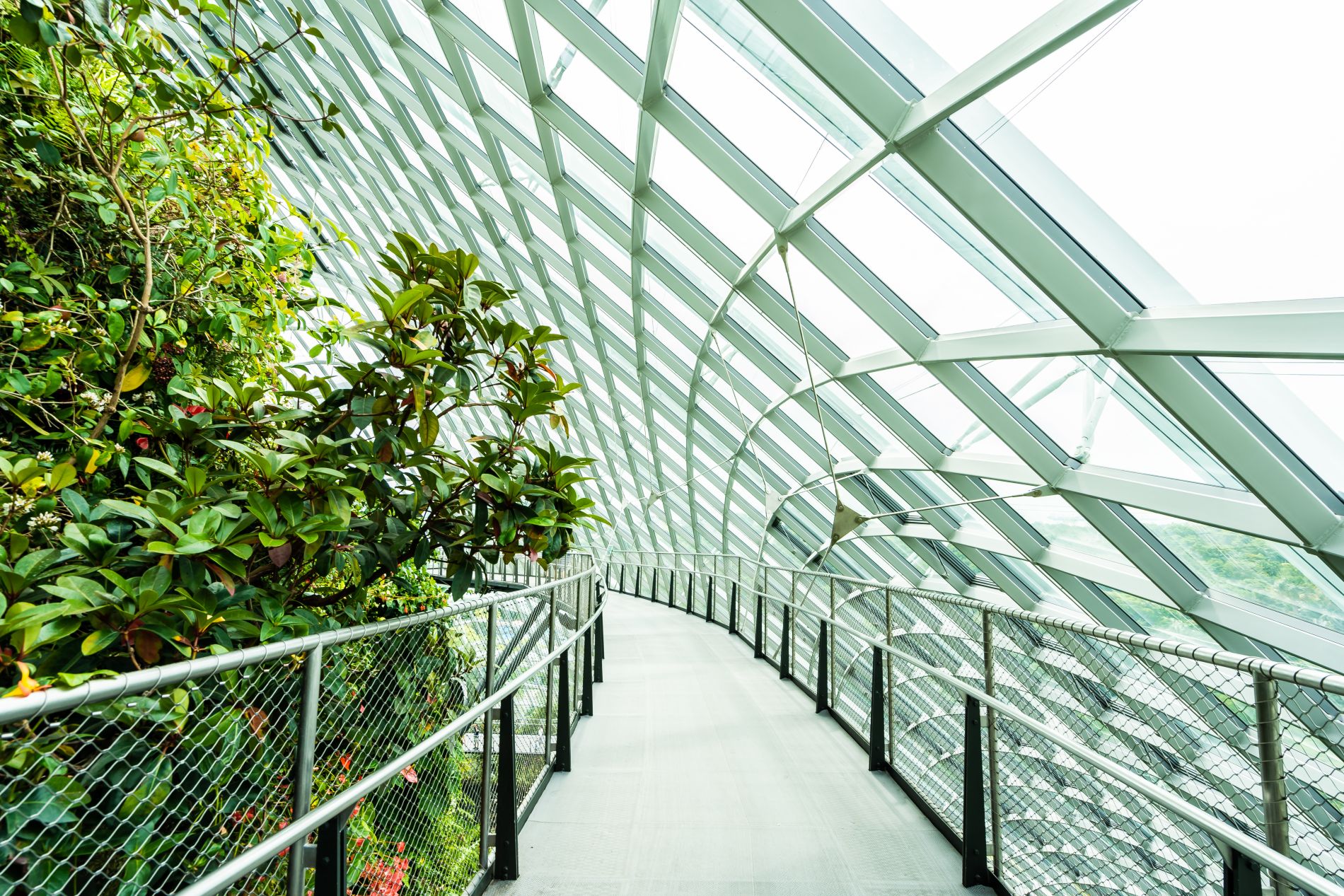
This thinking has influenced how I approach projects in my community. When our school district was planning a new building, I joined the committee advocating for better natural lighting, green spaces for outdoor learning, and systems that could teach kids about sustainable resource use. It's an uphill battle dealing with budgets and regulations, but some ideas are making it through.
The park renovation project I've been volunteering on is trying to incorporate regenerative principles too. Instead of just replacing old playground equipment, we're looking at how the space can manage stormwater, support native wildlife, and provide different types of nature experiences for kids. It's taking longer than a conventional approach, but the result should serve multiple community needs.
What strikes me most about <a href="https://biophilicflair.com/regenerative-design-sustainable-beyond-green-building/">regenerative urban design</a> is how it recognizes that human communities and natural systems aren't separate things competing for space. They're interconnected, and they can support each other when we plan thoughtfully. Cities don't have to be environmental burdens – they can be places where both people and ecosystems thrive.
I'm not an urban planner or policy expert – I'm just a parent who wants my kids to grow up in places that work better for everyone. But reading about cities that are successfully implementing these ideas gives me hope. It's proof that we can build communities that leave the world a little bit better than they found it. And honestly, given everything our kids are going to inherit, that feels like the least we can do.

David is a dad of two who started caring about design after realizing how much their home environment affected his kids’ moods and sleep. He writes about family-friendly, budget-friendly ways to bring natural light, plants, and outdoor play back into everyday life.