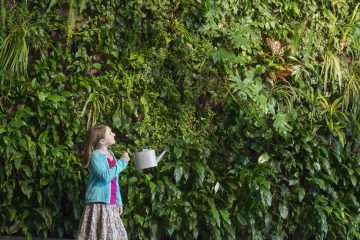
I was staring at my productivity spreadsheet last Tuesday when I had this realization that’s been bothering me for weeks. After six years of remote work and three years of seriously tracking my metrics, I thought I had workspace optimization pretty much figured out. Better lighting correlated with improved focus time. Plants in my visual field reduced afternoon fatigue. Natural sounds increased task completion rates by about 15%.
But looking at the data patterns, something wasn’t adding up. I’d optimized for all the variables I could measure – lumens, air quality readings, background decibel levels. My productivity scores were solid. Yet I kept feeling like I was missing something fundamental about how my workspace actually functions as a system.
The breakthrough came from a conversation with my neighbor Maria, who’s been converting abandoned lots in Detroit into food forests. She was explaining how she selects plant combinations that don’t just look good together, but actively improve soil health while providing food for the community. “Most people think about adding plants to a space,” she told me. “I think about how spaces can participate in natural cycles.”
That comment sent me down a research rabbit hole that’s completely changed how I think about workspace design. Instead of asking “how can I add more natural elements to my office,” I started asking “how can my workspace participate in the natural systems already happening around it?” Sounds abstract, but the practical implications are huge.
I’ve been applying traditional productivity optimization to my workspace – identifying problems, researching solutions, testing variables, implementing changes. But what if there’s a completely different approach that focuses on collaboration with existing systems rather than imposing predetermined solutions?
Take my current office setup. I spent months optimizing artificial lighting to mimic natural cycles, bought full-spectrum bulbs, programmed smart switches to adjust color temperature throughout the day. It worked – my circadian rhythm-related productivity metrics improved significantly. But I was basically fighting the natural light patterns instead of working with them.
My office has a south-facing window that I’d been treating as a source of glare to manage rather than an energy flow to collaborate with. When I started tracking solar angles and natural illumination patterns throughout the year, I realized I could position my workspace to ride those cycles rather than compensate for them.
I moved my desk to track seasonal light changes. In winter, I work closer to the window to catch maximum solar gain. In summer, I shift back to avoid overheating but still benefit from indirect illumination. Instead of fighting natural patterns with artificial solutions, I’m choreographing my workspace to dance with them.
The productivity impact has been measurable. Focus time increased by another 20% over my previous optimized setup. But more importantly, I need fewer technological interventions to maintain consistent performance. Less artificial lighting during peak daylight hours. No more complex programming schedules. The natural system is doing most of the work.
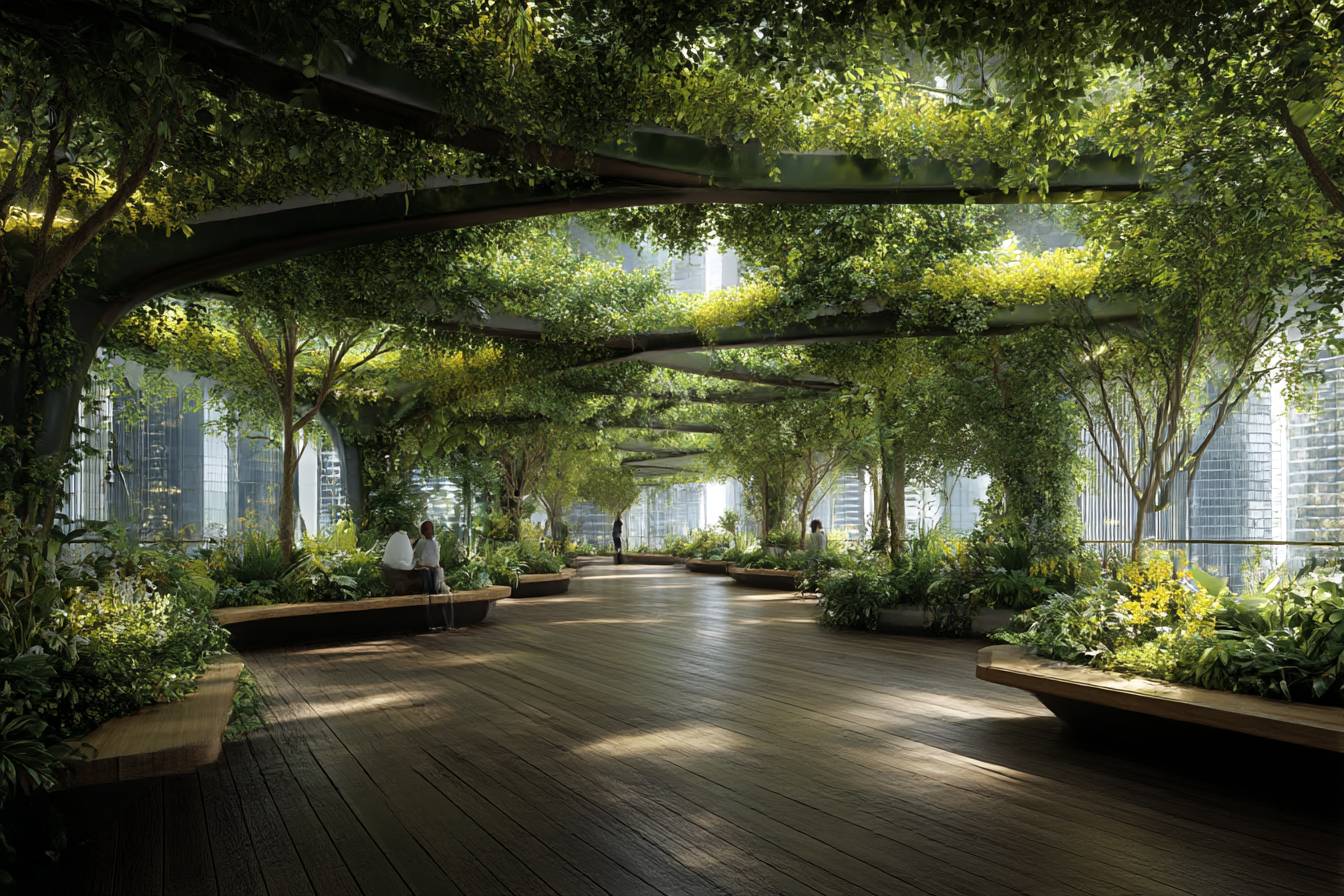
I’m starting to think of this as “systems literacy” – the ability to read and work with existing patterns instead of against them. It’s completely different from the problem-solving approach I learned in business school. Instead of imposing solutions, you observe patterns and find ways to amplify what’s already working.
This thinking has changed my approach to other workspace challenges. My home office gets stuffy in the afternoons – CO2 levels spike around 2pm based on my air quality monitoring. Traditional solution? Better ventilation fan. Systems approach? I mapped natural airflow patterns and realized that opening specific windows in sequence creates cross-ventilation that pulls fresh air through my workspace without any mechanical assistance.
The cooling effect is actually better than my previous HVAC-dependent setup, and it’s completely free to operate. Plus I get the productivity benefits of natural air movement, which I’d read about but never experienced consistently before.
I’ve been testing this approach with different workspace elements, tracking results like I always do, but focusing on how each intervention works with existing systems rather than replacing them. The plant wall I installed last year? Instead of selecting species for aesthetics, I chose varieties that actively improve indoor air quality during my peak working hours.
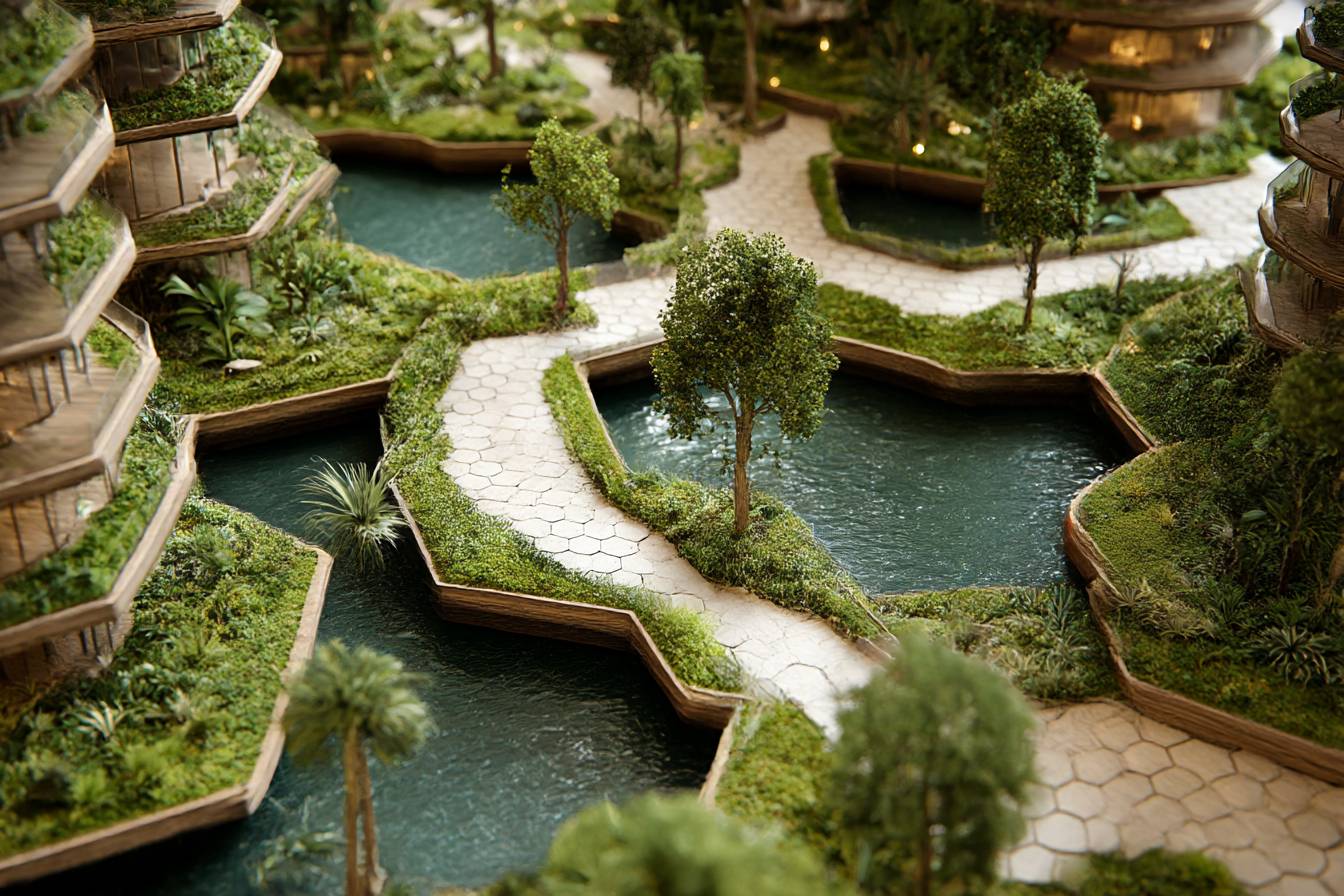
Sounds simple, but the research process was completely different. Instead of shopping for plants that looked good, I studied which species release oxygen during daytime hours, which ones filter specific indoor air pollutants, and how different combinations might work together. I’m essentially encouraging my office’s ecosystem to provide climate services rather than just decorative benefits.
The measurable results have been impressive. Air quality readings stay consistently better throughout the day. The plants are thriving because I selected species that actually want to do the work I need them to do, rather than forcing random tropical plants to survive in conditions they weren’t designed for.
But here’s what’s really interesting – this systems approach seems to create improvements that compound over time. Traditional workspace optimizations tend to plateau. You buy the ergonomic chair, install the perfect lighting, optimize your desk layout, and that’s it. Performance gains level off.
Working with natural systems, though, the benefits seem to increase as everything establishes and matures. My plants are more effective at air purification now than when I first installed them. My understanding of natural light and airflow patterns has improved, so I make better micro-adjustments throughout the day. The whole workspace feels more responsive and adaptive.
I’ve been tracking long-term productivity trends, and the data suggests that systems-based optimizations continue improving performance over months and years rather than providing one-time gains. It’s like the difference between buying a solution versus growing one.
This has me completely rethinking my approach to remote work optimization. Most productivity advice treats your workspace as a collection of isolated variables to optimize – lighting, seating, temperature, noise levels. But what if it’s actually a complex system where everything interacts, and the key is learning to collaborate with existing patterns rather than imposing new ones?
I’m still early in testing this approach, but I’m already seeing applications beyond my personal office. When other remote workers ask about my setup during video calls, I’ve started talking about pattern literacy and systems thinking rather than just recommending specific products or configurations. The conversations are completely different – more exploratory, more personalized to their specific situations.
Because here’s the thing – every workspace has unique patterns. Solar exposure, natural ventilation, existing microclimates, seasonal variations. Instead of applying generic productivity hacks, what if we learned to read and work with the specific systems already operating in our individual spaces?
I’m starting to document this process, tracking not just productivity metrics but also maintenance costs, energy usage, and long-term performance trends. Early data suggests that systems-based approaches require less technological intervention and provide more consistent results over time. But I need more data to be confident about those correlations.
The creative challenge is learning to think in longer time horizons. My traditional workspace optimizations focused on immediate productivity gains – better focus this afternoon, less fatigue today. Working with natural systems means planning improvements that might take months to fully develop but then continue providing increasing benefits as they establish.
It’s more complex than buying the right chair or installing better lighting. But it’s also more rewarding, because instead of creating static solutions, you’re orchestrating relationships that keep evolving and improving long after your initial setup work is done.
James is a data analyst who applies the same spreadsheet logic he uses at work to optimizing his home office. He experiments with light, plants, sound, and setup to see what really improves focus and energy for remote workers — and he shares the data-backed results.