When my wife had her stroke eight years ago, I started reading about something called biophilic design – basically bringing natural elements into your living space. At first, it sounded like fancy designer talk, but as I dug deeper and started making changes to help with her recovery, I realized there was real substance behind it.
The idea isn’t complicated when you strip away the jargon. It’s about reconnecting your home with nature in ways that actually improve how you feel and function. After spending most of my career focused on engineering problems, I found myself tackling a different kind of challenge: how do you modify a house you’ve lived in for decades to work better with your body’s changing needs?
I wasn’t looking to create some magazine-worthy showcase. I needed practical solutions that would help my wife’s mobility issues and depression, preferably without breaking our retirement budget. What I discovered was that many of the modifications that helped her – better natural light, easier access to plants and outdoor spaces, materials that felt good to touch – ended up benefiting both of us.
**Starting With What Actually Matters**
The first thing I learned was to forget about dramatic transformations. When you’re dealing with a fixed income and a house full of furniture you’ve accumulated over thirty-eight years, you work with what you have and make changes gradually.
I started by really paying attention to how natural light moved through our house throughout the day. Sounds simple, but when you’ve lived somewhere that long, you stop noticing things. I realized our living room got beautiful afternoon sun, but heavy drapes from the 1990s were blocking most of it. Replacing those with sheer panels that still gave privacy but let light through was a fifty-dollar change that made a noticeable difference in both our moods.
Next was addressing the plants situation. My wife had always been the gardener, but suddenly she couldn’t get out to tend her flower beds or vegetable garden. I built raised planters at wheelchair height and moved some of her favorite plants indoors where she could reach them from her chair. The research I’d been reading about biophilic design talked about the psychological benefits of caring for living things, and I could see it working in real time.
The key was making sure every change served multiple purposes. Those raised planters weren’t just about keeping plants – they gave my wife a sense of purpose and control when a lot of other activities had become difficult. The improved lighting wasn’t just about saving on electric bills – it helped both of us sleep better and feel less isolated during Michigan’s gray winter months.
**Learning What Works Room by Room**
As I explored different approaches, I found that each room needed its own strategy based on how we actually used the space.
The bedroom required the most careful planning. My wife’s pain was often worse at night, and the room needed to promote rest rather than activity. I couldn’t install a water feature – the sound would keep us awake, and the humidity might cause problems. Instead, I focused on textures and air quality. Swapped out synthetic bedding for natural cotton and wool. Added a few air-purifying plants that work well in low light. Used a small essential oil diffuser with lavender from plants we grew ourselves.
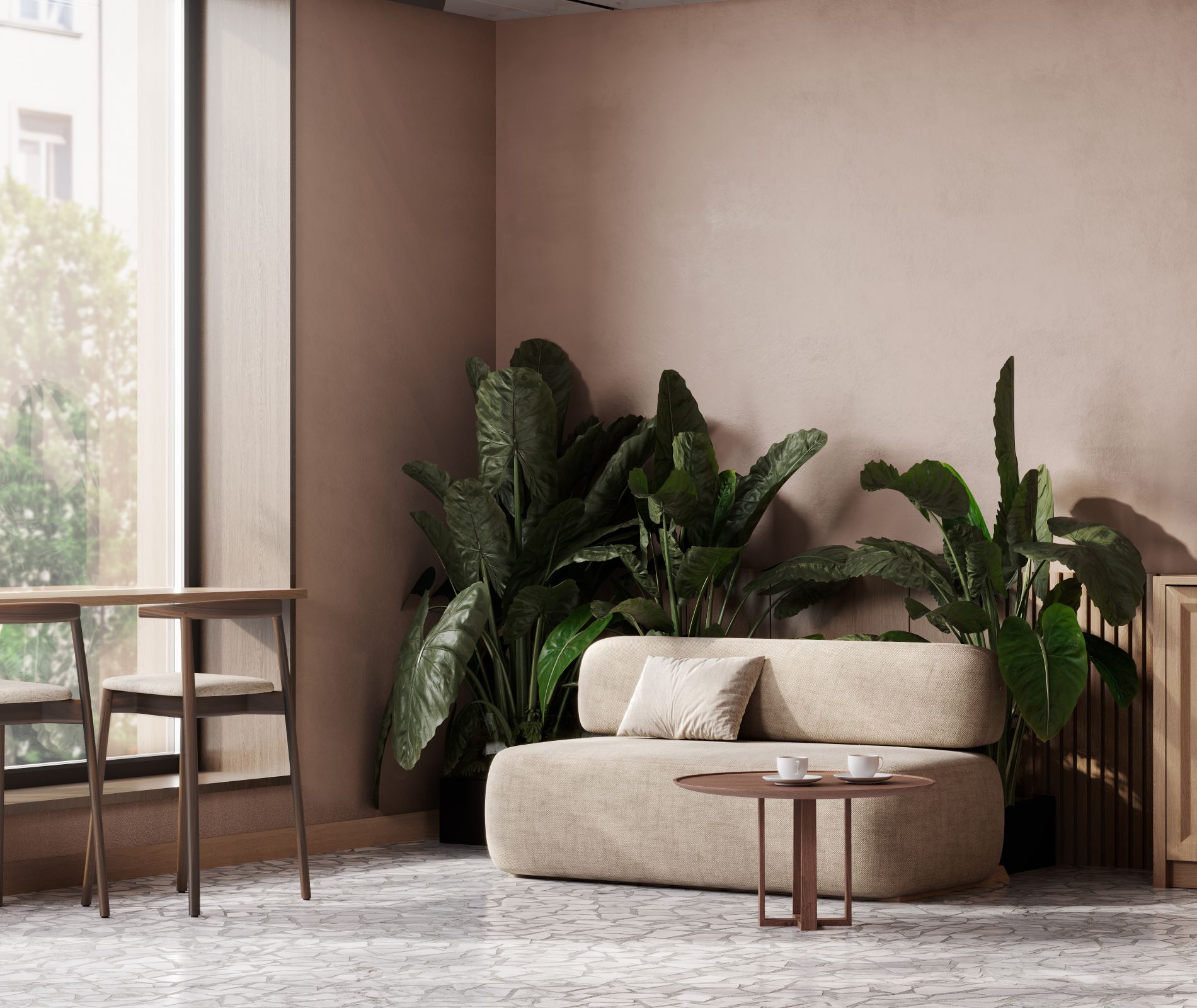
The living room offered more possibilities since we spend most of our waking hours there. I clustered several plants in the corner near the big window where they’d get good light and my wife could tend them easily. Added a small tabletop fountain that provides gentle background sound without being overwhelming. The natural light improvements made the biggest difference – opening up sightlines to our backyard so we could watch birds and see the seasons change.
The bathroom was trickier than I expected. Limited space, high humidity, safety concerns with my wife’s mobility issues. I ended up with a few small plants that thrive in bathroom conditions and some bamboo accessories that feel good to touch and don’t require much maintenance.
What surprised me was how much the kitchen benefited from these changes. Adding herbs on the windowsill gave my wife easy access to plants she could use in cooking. The scents of basil and rosemary made the whole area feel more alive. Simple changes, but they brought back some of the connection to growing things that had been such a big part of her life before the stroke.
**The Reality of Maintenance and Costs**
One thing the design magazines don’t tell you is how much ongoing work is involved. The biophilic elements you add to your home aren’t just decoration – they’re living systems that need attention.
I learned this the hard way with an indoor fountain I tried in the dining room. Looked great in the store, sounded peaceful when I first set it up, but within a month it had developed an algae problem and started making the room smell swampy. Cost me three hundred dollars for something that ended up in the garage sale.
The plants have been more successful, but they require daily attention – watering, pruning, watching for pests, moving them around to follow the light. It became part of my morning routine, and honestly, I’ve come to enjoy it. Gives me something purposeful to do first thing each day.
What works best are the modifications that improve the environment without requiring constant fussing. The essence of what makes these changes effective is their ability to connect you with natural rhythms and materials in sustainable ways.
Better windows that let in more natural light don’t need daily maintenance. Natural wood surfaces require periodic cleaning and occasional refinishing, but they age well and feel good under your hands. Stone and ceramic tiles stay cool in summer and provide textural interest without ongoing care.
**Adapting as Needs Change**
The biggest lesson has been that this isn’t a one-time project you complete and forget about. Our needs keep evolving as my wife’s condition changes and as I deal with my own aging issues – arthritis making it harder to tend plants, less energy for major projects, changing vision affecting how I perceive light and color.
The principles I’ve learned from working with our church and senior center apply at home too: what works has to be flexible enough to adapt to changing physical capabilities.
Last year I had to modify the raised garden beds again when my wife’s mobility declined further. This year I’m working on better winter access to our small greenhouse so she can continue her plant care even when Michigan weather keeps us inside for days at a time.
The modifications I’ve made aren’t just about bringing nature indoors – they’re about creating an environment that supports aging in place successfully. Every element has to serve multiple purposes – looking good, functioning well, and adapting to our changing physical abilities.
**What I’d Tell Someone Just Starting**
If you’re thinking about making similar changes, start small and practical. Don’t try to redesign your whole house at once, especially if you’re working with a retirement budget and dealing with health issues.
Focus on the modifications that address your specific challenges first. If depression and isolation are issues, prioritize natural light and views to the outdoors. If you miss gardening, start with easy-care houseplants or a simple raised bed. If you need more sensory stimulation, add different textures and scents gradually.
Pay attention to maintenance requirements before you buy anything. That elaborate water feature might look appealing, but if keeping it clean and functioning is beyond your current capabilities, it’ll become a source of stress rather than peace.
Most importantly, remember that this is about improving your daily life, not impressing visitors or following design trends. The changes that have made the biggest difference in our house are often the least obvious ones – better light in the morning, plants positioned where my wife can reach them easily, materials that feel good to touch when arthritis makes your hands sensitive.
After eight years of gradual modifications, our house feels more alive and connected to the natural world around it. More than that, it works better for our aging bodies and changing needs. We’re still in the same ranch house we bought in 1987, but it’s evolved into a space that supports us rather than working against us.
That seems to be the real point of bringing nature into your home – creating an environment that nurtures you as your own needs change over time.

Robert is a retired engineer in Michigan who’s spent the past few years adapting his longtime home for accessibility and wellbeing. He writes about practical, DIY ways to make homes more comfortable and life-affirming as we age — from raised-bed gardens to better natural light.