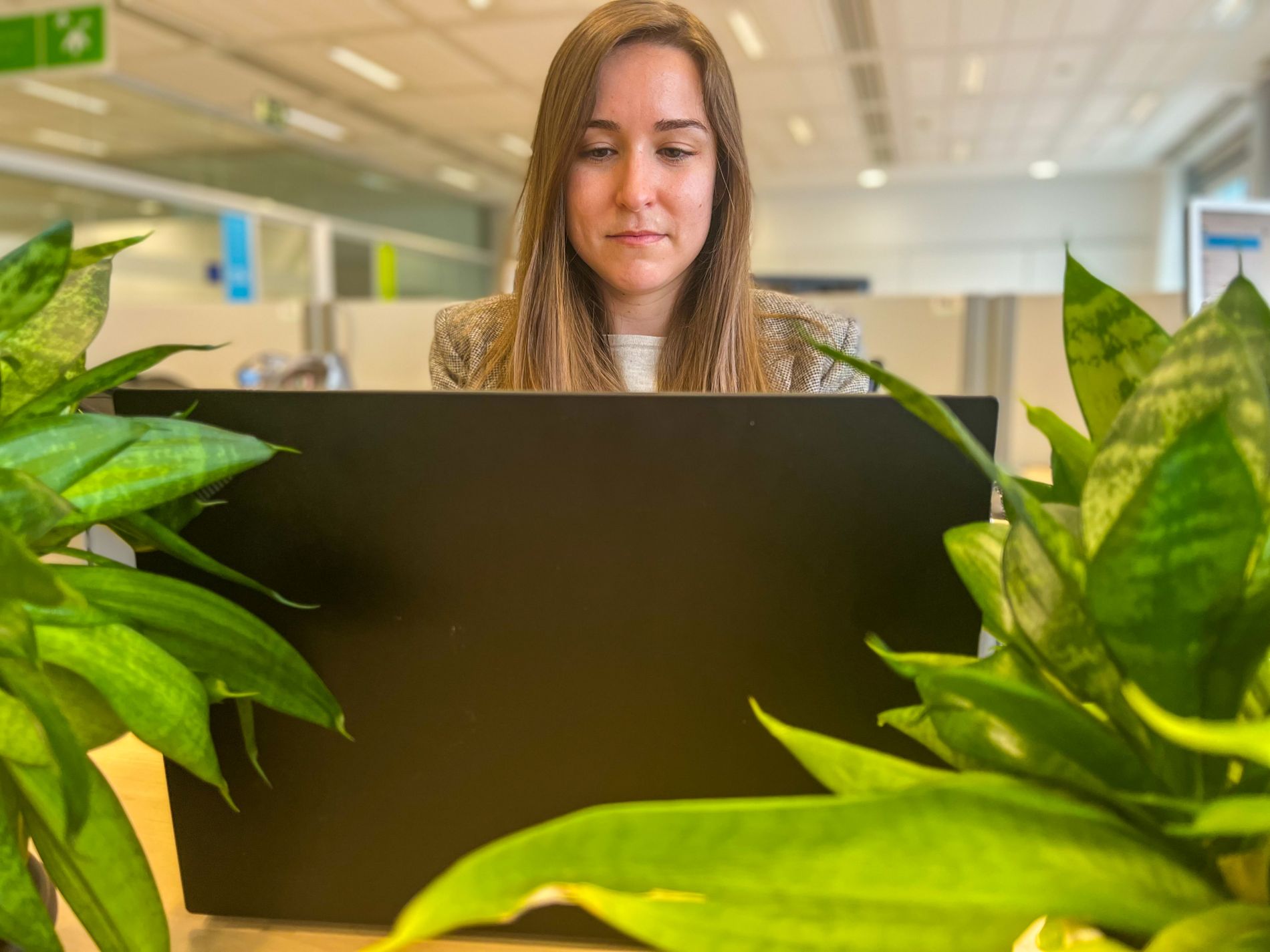
When I started reading about biophilic design for my home office setup, I kept running into references to traditional ecological knowledge and something called “biocultural conservation.” Initially, I was just trying to figure out which plants would survive in my workspace, but I ended up falling into this fascinating research rabbit hole about how indigenous communities have been optimizing their relationships with natural environments for thousands of years.
Turns out there’s a whole scientific framework around this. Biocultural conservation is basically the idea that you can’t separate biological diversity from cultural diversity – they’re interconnected systems that need to be managed together. Reading the research, I realized these communities have been doing what I was trying to do in my office, except at landscape scale and across generations.
The data is pretty compelling. Indigenous peoples manage about 80% of the world’s biodiversity, despite making up less than 5% of the global population. That’s not a coincidence – it’s the result of systematic approaches to environmental management that have been tested and refined over centuries.
Take the Awa people in the Amazon rainforest. I came across their practices while researching air-purifying plants for my office. They don’t just harvest medicinal plants – they actively manage forest ecosystems to maintain plant health and diversity. It’s like having a maintenance protocol for their entire environment, which keeps it productive long-term rather than extracting resources until the system degrades.
**What I Learned from Traditional Agricultural Systems**
The most interesting case study I found was the Quechua communities in Peru. These people have been growing potatoes for millennia, and they’ve developed techniques that would make any data analyst appreciate their systematic approach to optimization.
They cultivate around 1,400 different potato varieties using microclimatic farming methods. Each variety is selected based on specific environmental conditions – altitude, soil type, moisture levels, temperature ranges. They’ve essentially created a distributed system for maximizing agricultural output while maintaining genetic diversity.
The terraced farming system they use is brilliant from an efficiency standpoint. Different levels of the terraces create different microclimates, allowing them to grow multiple varieties with different requirements in the same general area. It’s like having multiple optimized environments within a single system.
I actually started applying some of these principles to my plant setup at home. Instead of trying to force all my plants into the same lighting and watering schedule, I created different microenvironments in my office based on their specific requirements. Sounds obvious, but I hadn’t been thinking systematically about it before.

**Modern Applications of Traditional Methods**
What’s really interesting is how some of these traditional approaches are being validated by modern scientific research. The Martu people in Australia use controlled burning – what they call “fire-stick farming” – to manage landscapes. They’ve been doing this for thousands of years, and recent studies show their methods are more effective than conventional fire management techniques.
The data shows their approach reduces the risk of large-scale wildfires while maintaining ecosystem health. They burn small areas during specific seasons, creating a mosaic pattern that prevents fires from spreading across large areas. It’s essentially a distributed risk management system.
The Kayapo people in Brazil have taken this integration of traditional and modern methods even further. They use satellite imagery and GPS technology to monitor deforestation in their territory, combining high-tech surveillance with their traditional forest management practices. They’re getting measurable results – their territories show significantly lower deforestation rates than surrounding areas.
**Systems Thinking in Practice**
Reading about these approaches changed how I think about optimization. Most of the productivity advice you see focuses on individual techniques – better lighting, ergonomic furniture, task management apps. But these traditional systems take a holistic approach that considers all the interconnected variables.
The Inuit communities in the Arctic have developed incredibly sophisticated weather prediction systems based on observing natural indicators. They can predict ice conditions, weather patterns, and seasonal changes with accuracy that rivals modern meteorological forecasting. The difference is their system integrates hundreds of environmental variables that they’ve been tracking across generations.
The Sherpa communities in the Himalayas use agroforestry methods that address multiple challenges simultaneously. They prevent soil erosion, maintain soil fertility, create diverse ecological habitats, and produce food – all within the same system. It’s multi-objective optimization at a level that most modern approaches don’t achieve.
I started thinking about my workspace optimization the same way. Instead of optimizing for single variables like light levels or air quality, I began looking at how different elements of my environment interact with each other and affect my overall productivity and well-being.

**Measuring What Matters**
One thing that struck me about traditional ecological knowledge is how it’s based on long-term observation and measurement. These communities have been tracking environmental variables for centuries, passing down data through cultural practices and oral traditions.
The Yurok Tribe in the Pacific Northwest is working to restore salmon populations in the Klamath River. They’re combining Western scientific methods with their traditional knowledge of river systems. What they have that modern scientists often lack is baseline data – they know what the ecosystem looked like before industrial impacts, because that knowledge was preserved in their cultural practices.
This got me thinking about my own data collection. I track productivity metrics, but I realized I wasn’t tracking long-term trends or seasonal patterns in my performance. I started looking at my data over longer time periods and noticed patterns I hadn’t seen before – how my productivity varies with daylight hours throughout the year, how certain types of weather affect my focus, how changes in my environment impact my work over weeks and months rather than just days.
**Integration and Collaboration**
What’s encouraging is seeing more collaboration between traditional knowledge systems and modern scientific approaches. Projects like the Thaidene Nëné National Park Reserve in Canada are being co-managed by government agencies and indigenous communities, combining both knowledge systems.
There are also educational initiatives like Australia’s “Two-Way Science” program that treats indigenous ecological knowledge as equally valid to Western scientific methods. This makes sense from a data analysis perspective – you get better insights when you have multiple data sources and different analytical frameworks.
The legal recognition of indigenous land rights turns out to be crucial for conservation outcomes. The data shows that areas managed by indigenous communities often have better biodiversity protection than traditional conservation areas. When people have long-term stakes in environmental health, they optimize for sustainability rather than short-term extraction.
**Personal Applications**
At an individual level, there are practical ways to apply these principles. I’ve started paying more attention to the sourcing of products I buy, especially for my home office setup. Supporting companies that work with indigenous communities or use traditional sustainable methods turns out to be a measurable way to contribute to these conservation efforts.
I’ve also changed how I approach learning about environmental optimization. Instead of just reading modern research, I look for studies that integrate traditional knowledge or examine long-term sustainable practices. The time horizons are different – instead of optimizing for quarterly results, these approaches optimize for generational sustainability.
**Long-term Thinking**
The biggest shift in my thinking has been moving from short-term optimization to sustainable systems design. Traditional ecological knowledge represents thousands of years of testing and refinement. These aren’t theoretical approaches – they’re proven systems that have maintained productivity and environmental health over timescales that modern approaches haven’t been tested against.
When I look at my workspace optimization now, I think about sustainability differently. Not just whether my current setup works well, but whether it’s a system I can maintain and improve over years and decades. Whether the choices I’m making contribute to larger environmental and social systems in positive ways.
The integration of traditional knowledge with modern technology and scientific methods offers a model for how we might approach environmental challenges more effectively. These aren’t competing approaches – they’re complementary systems that provide different types of data and insights.
For someone who spends most of his time analyzing data and optimizing systems, studying traditional ecological knowledge has been a reminder that some of the most sophisticated optimization has been happening for thousands of years, just not in the contexts where we typically look for it.

James is a data analyst who applies the same spreadsheet logic he uses at work to optimizing his home office. He experiments with light, plants, sound, and setup to see what really improves focus and energy for remote workers — and he shares the data-backed results.