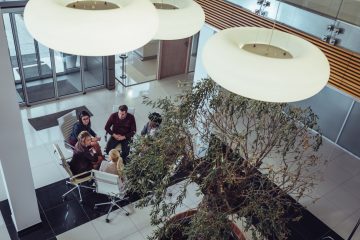
Last month I was tracking down some workspace inspiration and ended up in the lobby of this massive tech company downtown. They had this incredible living wall installation – probably cost six figures – and I spent fifteen minutes watching people walk by without even glancing at it. When I asked the receptionist about it, she rolled her eyes and told me they'd had multiple companies come "fix" it because employees kept complaining about humidity affecting their laptops and the soil smell being distracting.
That whole scene basically summarized everything wrong with how most people approach biophilic design. You can't just bolt some greenery onto a sterile office and expect productivity benefits. I've been optimizing my home workspace for six years now, and I've seen plenty of well-intentioned projects crash and burn because they treated plants like decorative objects instead of functional systems that need to integrate with how people actually work.
<blockquote>Real biophilic solutions start with understanding what you're trying to optimize for. When I first started tracking my productivity patterns, I didn't jump straight into buying plants. I spent weeks analyzing when I felt most focused, what environmental factors correlated with better output, and when my energy levels consistently crashed. The data told me way more than any design blog could.</blockquote>
Those metrics led me to some interesting discoveries. I found a pattern where I'd been unconsciously timing my most important calls to coincide with when natural light hit my desk. My coworker mentioned she'd started eating lunch in her car because it was the only place she could see trees from our office building. Another remote worker in my network said his kids seemed more focused during outdoor Zoom school sessions, even when they were just sitting on concrete. These aren't design preferences – they're biological requirements showing up in our behavior patterns whether we recognize them or not.
My approach has definitely evolved since those early days when I was basically just throwing plants at my productivity problems. Back then I was trying to recreate some Pinterest-perfect "nature office" aesthetic. Now I focus on creating environmental conditions that measurably support focus and reduce mental fatigue. Sometimes that means living plants, but just as often it involves natural materials, lighting that follows circadian rhythms, or acoustic elements that mask the HVAC noise with something less jarring.

The water feature experiment I ran during lockdown taught me this lesson pretty brutally. I had this vision of a zen trickling fountain that would boost my focus during deep work sessions. Reality check: the pump noise was distracting, water splashed onto my equipment, and the whole thing developed this swampy smell that made my apartment feel like a pet store. But here's what worked: once I figured out the right flow rate and added some strategic plants for natural filtration, that little water element became the single most psychologically beneficial feature in my entire workspace setup.
People always ask me about maintenance first – "What happens when everything dies?" I get it. We've been conditioned to think of plants as high-maintenance complications. But most biophilic failures I've researched weren't caused by the plants themselves failing. They failed because nobody thought through the human systems needed to support them long-term.
I consulted on a coworking space last year where the original designers had specified these gorgeous tropical plants throughout the work areas. Within six months, half were dead and the other half looked miserable. The facilities team was spending hours each week trying to keep them alive, and the whole thing became a source of stress rather than productivity enhancement. We swapped them out for locally native species that thrived in the available light conditions and required minimal intervention. Member satisfaction scores in those areas increased by 23% over the following year.
The key is matching plant requirements with realistic maintenance capabilities. I use what I call the "vacation test" – if a system can't survive a two-week vacation without looking terrible, it's probably not sustainable for most work environments. This doesn't mean avoiding living elements; it means choosing the right ones for each situation.
For home offices, I usually start with what I call "gateway biophilia" – simple interventions that deliver measurable benefits without overwhelming maintenance demands. Strategic placement of air-purifying plants in bedrooms and workspaces. Natural material accents that add texture and visual interest. Window treatments that maximize natural light while controlling glare. Acoustic elements that mask urban noise with more pleasant background sounds.
These seemingly minor changes create what researchers call "micro-restoration" – brief moments throughout the day when our stress response systems reset. You know that feeling when you step outside after being indoors all day and automatically take a deeper breath? We can engineer similar moments indoors through thoughtful environmental design.
I've gotten particularly interested in what I call "borrowed nature" – creating visual connections to natural elements that already exist rather than importing new maintenance requirements. The home office I'm currently optimizing faces a mature oak tree. Instead of competing with that view by adding indoor plants, I'm maximizing the connection through strategic desk placement and interior materials that echo the seasonal changes visible outside.
The productivity data speaks for itself. In spaces where I've implemented biophilic solutions – whether home offices, coworking spaces, or even regular corporate environments – people report better focus duration, improved sleep quality, reduced afternoon energy crashes, and stronger motivation to spend time in the space. But you know what I find most interesting? They often can't pinpoint exactly why their productivity improved. The environmental changes just work, without calling attention to themselves.
Commercial applications present different challenges. Budget constraints are real, and so are concerns about professional appearance and maintenance protocols. I've learned to work within these limitations by focusing on materials and systems rather than living elements when necessary. Natural wood finishes instead of laminate veneer. Stone or ceramic surfaces with organic textures. Lighting systems that adjust color temperature throughout the day. Acoustic treatments made from natural fibers instead of synthetic foam.
One coworking space renovation I tracked last year incorporated reclaimed wood from a local warehouse, stone accent walls, and a carefully programmed lighting system that mimics outdoor light patterns. Not a single living plant in the space, but member surveys showed significant improvements in reported focus levels, energy consistency, and workspace satisfaction. The manager told me people were actually staying later because they enjoyed working in the environment.
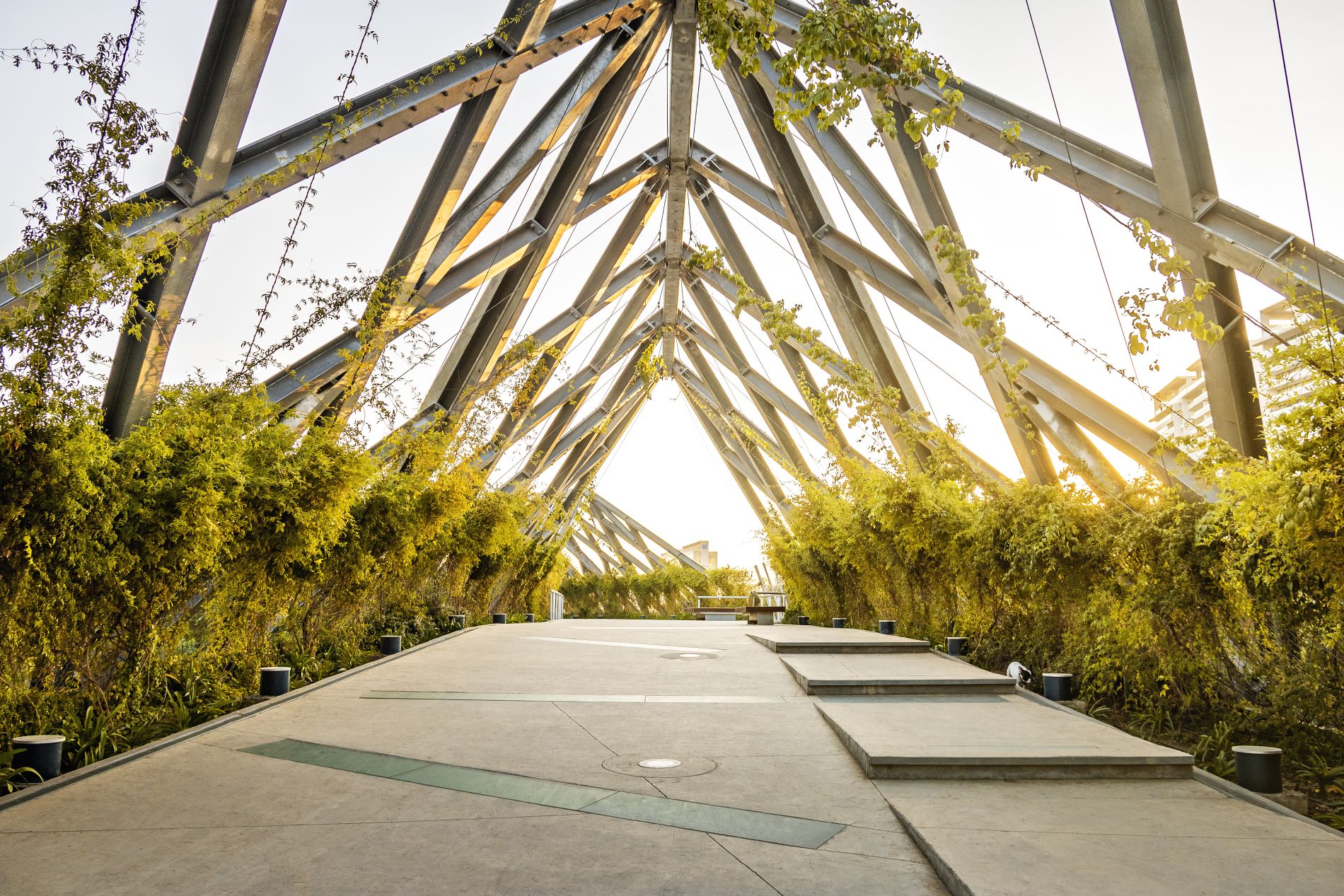
That project reinforced something I've observed repeatedly in my productivity tracking – our responses to natural elements are often unconscious but measurable. We're biologically wired to seek out environments that support cognitive performance, even when we can't articulate why certain spaces feel energizing while others feel draining.
<blockquote>The future of biophilic design for productivity isn't about creating elaborate indoor jungles or expensive living walls. It's about understanding human biology well enough to create work environments that support rather than fight our natural focus patterns. Sometimes that means literal nature – plants, water, natural materials. But often it means subtler interventions that create connections to natural processes and rhythms.</blockquote>
I'm currently tracking a project at a senior living facility where we're implementing circadian lighting throughout common areas, adding tactile natural materials to frequently touched surfaces, and creating sight lines to existing mature landscaping. The goal isn't to create Instagram-worthy features. It's to design an environment where residents feel more alert during the day, sleep better at night, and maintain stronger connections to seasonal rhythms that institutional settings often disrupt.
This work has convinced me that biophilic design isn't a luxury trend – it's a basic requirement for cognitive performance that most built environments completely ignore. Every optimization experiment teaches me something new about the relationship between environmental factors and measurable productivity outcomes. And honestly? I think we're just scratching the surface of what's possible when you approach this stuff with actual data instead of just aesthetic preferences.

Zachary designs with the land, not against it. From his base in Edinburgh, he explores the wild edges of sustainability—where cities, people, and nature meet.