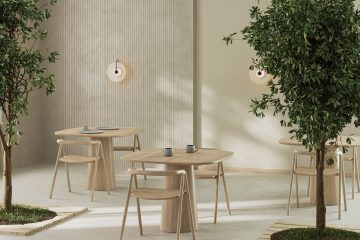
I was scrolling through one of those parenting forums at 2am last week (don’t judge – my son had strep and wasn’t sleeping), when I came across this incredible story about a children’s hospital in Copenhagen. They’d installed these massive aquariums in their chemo ward, and the results blew my mind – kids’ anxiety levels dropped by forty percent, and they needed less pain medication.
It got me thinking about everything I’ve learned over the past few years about how our indoor environments affect our families, especially our kids. This stuff isn’t just about making spaces look prettier with a few houseplants (though I’m definitely guilty of plant addiction at this point). There’s actual science showing that humans – especially developing kids – need connections to nature to function properly.
> The more I dive into this research, the more frustrated I get with how most buildings are designed. It’s like we’ve been actively working against human biology for decades, and we’re finally starting to wake up to the damage that causes.
Think about the last time you were stuck in a typical office building or school – those fluorescent-lit hallways with no windows, that weird recycled air smell, carpet that could be any color because you can’t tell under that harsh lighting. Then you step outside for even five minutes and suddenly your shoulders relax, you breathe deeper, maybe you actually notice birds singing. That’s not coincidence – that’s your biology telling you what it needs.

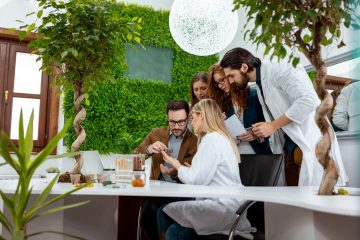
My friend from my daughter’s school was dealing with this at her work. She’s stuck in one of those soul-crushing downtown office towers, but last month she convinced her boss to let her bring in some plants and a small water fountain for their break room. Nothing fancy – maybe $200 total from Home Depot and the local nursery. Within two weeks, people started actually using the break room instead of eating sad desk lunches. People were talking to each other, sharing food, the whole atmosphere completely shifted.
“It’s weird,” she told me when we were waiting for pickup one day. “Everyone seems friendlier somehow. Less stressed out.”
Not weird at all, actually. I’ve been reading all this research about how even minimal nature elements can reduce stress hormones and improve social interactions. But she didn’t need to know the science to feel the difference – and that’s what got me so interested in this whole biophilic design thing in the first place.
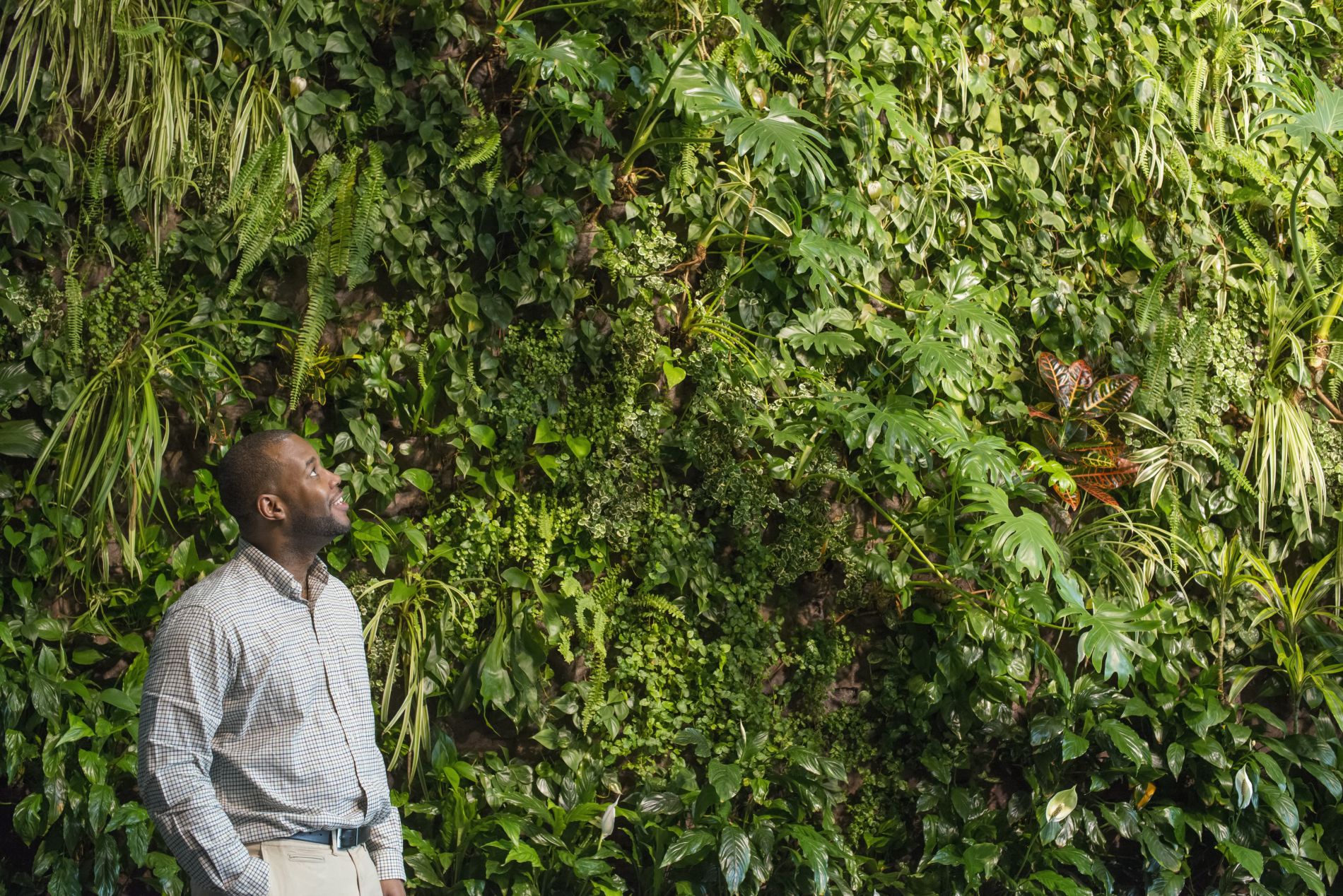
I’m seeing these changes everywhere now that I know what to look for. My kids’ school finally got rid of those awful fluorescent lights in some classrooms and installed skylights. The children’s hospital where my son had his ADHD evaluations created this amazing healing garden instead of just having a parking lot. Even our local Target has living walls now – not exactly cutting-edge design, but it’s something.
The funny part is, this approach isn’t actually new at all. I was watching this documentary about traditional Japanese homes (probably during another middle-of-the-night kid crisis), and these builders understood something we somehow forgot. They designed homes where inside and outside flowed together seamlessly – walls that opened completely to gardens, natural materials left in their original states, everything designed to help people stay connected to seasonal changes and daily light cycles.
They weren’t following some trendy movement – they were just responding to basic human needs that we’ve ignored in modern construction.
This is especially important in healthcare settings, and as a parent, this really hits home. The old approach treated hospitals like sealed bunkers protecting sick people from the dangerous outside world. But study after study shows that patients heal faster when they can see trees from their windows, when they have access to natural light, when they can touch materials that feel organic instead of synthetic.
I read about this amazing project at a memory care facility in Oregon. The original design was everything wrong with institutional buildings – beige walls, vinyl floors, no natural light in common areas. Residents just sat in their rooms or stared at TV screens all day.
The renovation team couldn’t change the basic structure, but they worked with what was there. They painted walls with subtle tree-inspired patterns, brought in furniture made from reclaimed wood, installed a small herb garden visible from the main gathering space. Plants with strong, pleasant scents that might trigger positive memories – rosemary, lavender, mint.
The biggest change was replacing harsh overhead lighting with adjustable fixtures that matched natural daily rhythms. Bright, alert-promoting light in the morning, warmer tones in evening to support natural sleep cycles.
The staff noticed changes within days. Less agitation, better sleep patterns, residents gathering around the herb garden sharing memories about cooking and gardening. One gentleman with advanced Alzheimer’s who rarely spoke would stand by the window every morning naming the plants he could see outside.
These aren’t miraculous cures – they’re predictable responses to more humane design. We’re not asking buildings to solve every health problem, just asking them to stop actively working against human wellbeing.
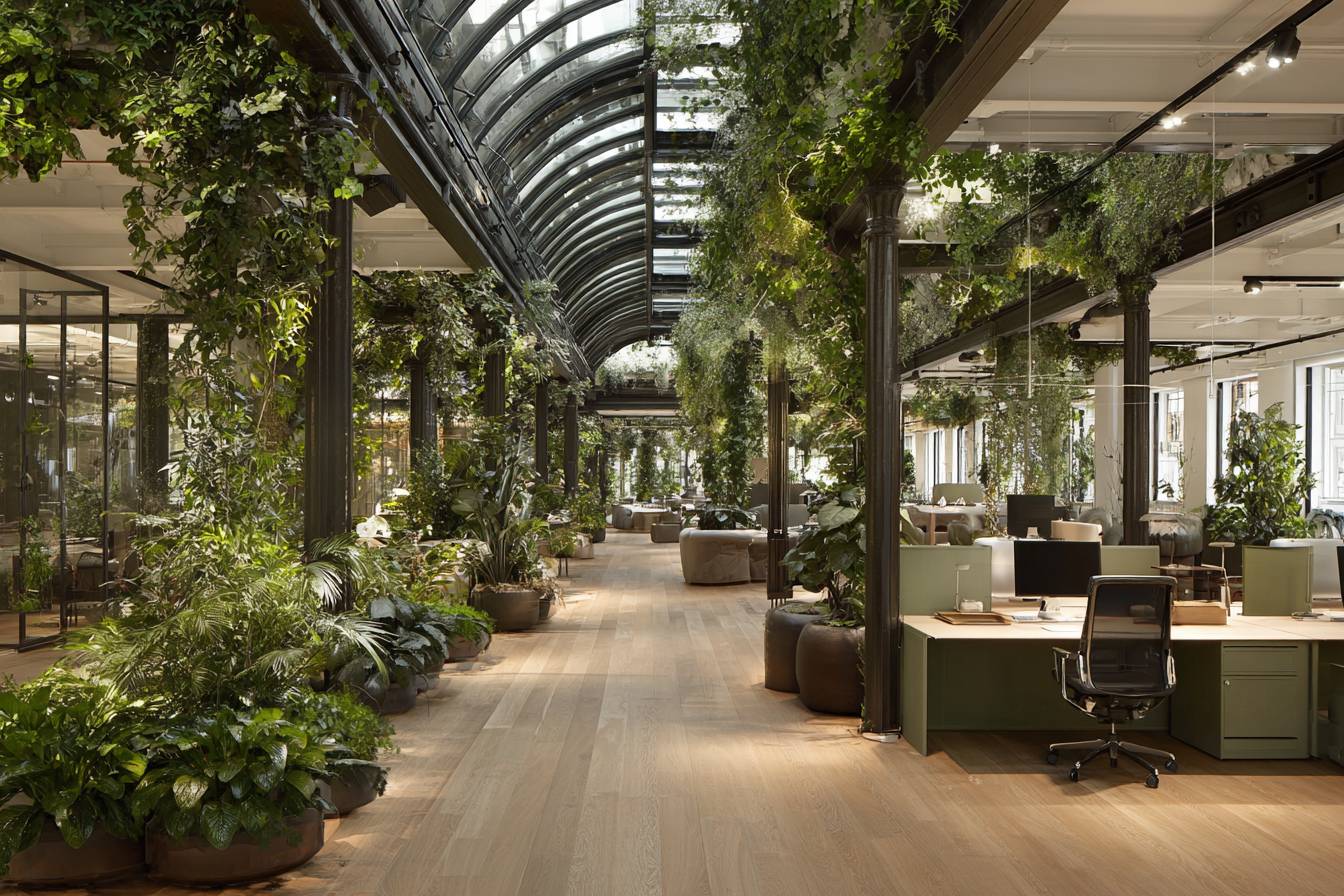
The corporate world is finally catching on because they’re seeing bottom-line impacts. Employee retention improves in workplaces with natural elements. Productivity goes up, sick days decrease. Google and Amazon didn’t install those elaborate indoor gardens just for Instagram photos – they did it because happier, healthier employees are more effective employees.
But there’s still plenty of resistance. Maintenance concerns are real – living systems need ongoing care that many facilities aren’t equipped to handle. Initial costs can be higher. Building codes often lag behind what we know about beneficial design.
I’ve learned from my own renovation mistakes that it’s better to start small with skeptical people. A few nearly indestructible plants, natural materials for one accent wall, better lighting that costs the same as standard fixtures but provides health benefits. Once people experience the difference, they usually want more.
The home market is moving even faster. The pandemic gave everyone a crash course in how their living environments affect daily experience. Houseplant sales went through the roof – every garden center was constantly sold out. Everyone suddenly became aware of how much natural light their workspace got, how their air quality felt, whether their surroundings helped them focus or created distraction.
I’m seeing more families wanting to blur the lines between indoor and outdoor living. Not just bigger windows – though that’s often part of it – but integrated growing systems, natural material palettes, water features that provide visual interest and sound masking. People want homes that feel connected to the seasons and the landscape around them.
> What excites me most is seeing this become standard practice rather than specialty knowledge. Architecture schools are teaching these principles as core curriculum now. Contractors are learning to work with living systems. Even big box stores are expanding their offerings of sustainable, naturally-derived materials.
This movement isn’t going to solve every problem with modern built environments, but it’s addressing some fundamental disconnections that have real impacts on our families’ health and happiness. When we design spaces that acknowledge humans – especially kids – as biological beings with evolutionary connections to natural systems, those spaces simply work better.
That’s not following trends – that’s just good design finally catching up with what we’ve always known but somehow forgot how to implement. And as parents, we have more control over this than we might think.

David is a dad of two who started caring about design after realizing how much their home environment affected his kids’ moods and sleep. He writes about family-friendly, budget-friendly ways to bring natural light, plants, and outdoor play back into everyday life.