<script type="application/ld+json">
{
"@context": "https://schema.org",
"@type": "FAQPage",
"mainEntity": [
{
"@type": "Question",
"name": "What does the word biophile mean?",
"acceptedAnswer": {
"@type": "Answer",
"text": "A biophile is someone with an innate affinity for nature and natural systems. The term comes from the biophilia hypothesis—the idea that humans have a genetic predisposition to seek connections with nature. Biophiles aren't just nature lovers; they experience profound wellbeing improvements when connected to natural elements and are typically driven to incorporate nature into their daily environments."
}
},
{
"@type": "Question",
"name": "Is biophilic design the same as green design or sustainable design?",
"acceptedAnswer": {
"@type": "Answer",
"text": "No. Biophilic design focuses specifically on human connections to nature within built environments. Green design emphasizes environmental sustainability. Sustainable design reduces resource consumption. While these can overlap, biophilic design is human-centered—it's about how nature connections affect people. You can have sustainable design that isn't biophilic, and biophilic design that isn't necessarily sustainable."
}
},
{
"@type": "Question",
"name": "Where did the concept of biophilic design come from?",
"acceptedAnswer": {
"@type": "Answer",
"text": "Biophilic design is based on E.O. Wilson's biophilia hypothesis from the 1980s, which proposed that humans possess an innate tendency to connect with nature. Later, architects and researchers like Kellert and Calabrese developed frameworks for applying this concept to built environments, creating what we now call biophilic design as a systematic approach to environmental design."
}
},
{
"@type": "Question",
"name": "Can someone be a biophile without living in nature?",
"acceptedAnswer": {
"@type": "Answer",
"text": "Yes. Biophiles seek connections with nature regardless of where they live. Urban dwellers can be biophiles through houseplants, views to nature, natural materials, water features, and thoughtful environmental design. The innate connection exists whether someone lives in a city apartment or rural area—biophiles simply make intentional choices to maintain that connection."
}
},
{
"@type": "Question",
"name": "What's the difference between biophilia and environmentalism?",
"acceptedAnswer": {
"@type": "Answer",
"text": "Biophilia is about personal connection to nature and how that affects individual wellbeing. Environmentalism is about protecting natural systems and the broader ecosystem. A biophile cares about nature because it directly impacts their functioning. An environmentalist cares about protecting nature for its own sake. They can overlap, but they're distinct motivations."
}
},
{
"@type": "Question",
"name": "Is biophilic design only about adding plants to spaces?",
"acceptedAnswer": {
"@type": "Answer",
"text": "No. While plants are one element, biophilic design encompasses natural light, natural materials, water features, organic patterns, views to nature, sensory variation, and environmental changes. It's a comprehensive approach to creating spaces that trigger the biophilia response, not just decoration with greenery."
}
},
{
"@type": "Question",
"name": "How is biophilic design measured or defined professionally?",
"acceptedAnswer": {
"@type": "Answer",
"text": "Frameworks like Terrapin Bright Green's 14 Patterns provide a measurable definition based on research. Professional standards like WELL and Living Building Challenge incorporate biophilic design criteria. These frameworks define biophilic design through specific environmental conditions that trigger measurable human responses—not subjective aesthetics."
}
},
{
"@type": "Question",
"name": "Can biophilic design work in modern, minimalist spaces?",
"acceptedAnswer": {
"@type": "Answer",
"text": "Yes. Biophilic design doesn't require maximalism. A single living plant, natural light optimization, wooden surfaces, and water sounds can create strong biophilic effects in minimal spaces. The principles adapt to any aesthetic preference—the key is intentional natural connections, not quantity of elements."
}
},
{
"@type": "Question",
"name": "What's the relationship between biophilic design and wellness?",
"acceptedAnswer": {
"@type": "Answer",
"text": "Biophilic design directly supports wellness through measurable physiological and psychological improvements. Natural light regulates sleep. Plants reduce stress. Natural patterns calm the nervous system. Water features aid focus. These aren't coincidental—biophilic design is specifically about creating environmental conditions that support human health and functioning."
}
}
]
}
</script>
The first time someone told me I was a biophile, I thought they were making a joke. I'd been talking about my obsession with bringing nature into spaces, my collection of houseplants, my inability to work in rooms without windows, my genuine distress at being in concrete-heavy environments. Their response: "That's not a personality quirk. That's biophilia."
I wasn't familiar with the term beyond the basic definition. But it stuck with me because it reframed something I'd always seen as personal preference into something biological—a measurable, documentable aspect of how I'm wired to function.
<h2>What Biophile Actually Means</h2>
Biophile comes from two Greek roots: bios (life) and philia (love or affinity for). E.O. Wilson coined the term "biophilia" to describe what he called humanity's innate tendency to connect with nature and other living systems. It's not romantic or philosophical. It's a hypothesis rooted in evolutionary biology.
For millions of years, humans survived in natural environments. Our sensory systems evolved to detect and respond to natural signals. We developed preference for certain views, certain sounds, certain light patterns—because those signals indicated safe, resource-rich environments. That programming doesn't disappear when we move into concrete buildings.
A biophile is someone who experiences this connection strongly and intentionally seeks it out. Not a nature lover in the casual sense—someone who takes nice walks. But someone whose actual nervous system responds differently depending on whether they're in a space with natural elements.

I knew a woman who'd relocated to a job in a downtown office building. Within three months, she was experiencing chronic migraines and sleep disruption. She moved to a different apartment with better window access and started bringing plants to her office space. Her migraines disappeared. She wasn't being dramatic about nature. She was describing a genuine physiological response to environmental conditions.
That's biophilia. Not preference. Actual biological response.
<h2>How Biophilia Differs From Other Nature Connections</h2>
This matters because people conflate biophilic design with green building or environmental sustainability or just "liking nature." They're related but distinct.
An environmentalist cares about nature because protecting ecosystems matters. A green designer cares about reducing environmental impact through materials and systems. A nature lover enjoys outdoor activities. A biophile cares about being connected to nature because it directly affects their functioning.
These motivations can overlap. But they're different. I can care deeply about ecosystem protection and still design a building that disconnects people from nature. I can use sustainable materials and still create sterile, biophilic-hostile spaces. I can enjoy hiking and still feel completely disrupted when I'm stuck in windowless offices.
Biophilic design specifically addresses the human need for nature connection in built environments. It's not about aesthetics or environmental virtue. It's about physiology. Your body and brain function better with certain environmental conditions. Biophilic design creates those conditions intentionally.
<h2>The Historical Context (Why We're Just Now Defining This)</h2>
Humans lived in nature-connected environments for most of our existence. We didn't need to consciously design for biophilic principles because we didn't have a choice—everything was biophilic by necessity.
Then we built cities. Concrete boxes. Fluorescent-lit offices. Windowless spaces optimized for cost and efficiency. We stopped asking whether these environments actually supported human functioning. We just accepted them as inevitable.
By the 1980s, researchers started noticing patterns. Hospital patients with views of nature recovered faster. Office workers with access to daylight had fewer sick days. People in spaces with plants reported lower stress. Instead of accepting these as individual preferences, scientists started asking: what if there's a biological mechanism here?
That's when the biophilia hypothesis emerged. Not as philosophy but as testable theory. And it held up. Repeatedly. Across cultures. In different climate contexts. The pattern was consistent.
So biophilic design emerged as a practical application of that understanding. Instead of designing spaces for efficiency and ignoring human biology, what if we designed spaces that supported both efficiency and human functioning?
For deeper exploration of the research backing this understanding, check the <a href="https://biophilicflair.com/biophilic-design-research-science/">biophilic design research guide</a>.
<h2>What Biophilic Design Actually Means in Practice</h2>
This is where definitions get murky. People throw around "biophilic design" to mean everything from having a houseplant to creating elaborate green facades. The term got diluted.
Actual biophilic design means intentionally incorporating natural elements, patterns, and processes into built environments to trigger specific physiological and psychological responses. It's not decoration. It's environmental engineering based on how human biology responds to natural conditions.
Natural light exposure triggers circadian rhythm regulation. Your body knows when it's day and night. Your sleep-wake cycle functions. Your metabolic processes align with natural rhythms. That's not aesthetic. That's endocrine system function.
Living elements—plants, water, soil microbiomes—create sensory signals that your nervous system recognizes as indicating a healthy environment. Your stress hormones decrease. Your parasympathetic nervous system activates. That's measurable physiological response.
Natural patterns—fractals, curves, organic geometries—engage your visual system differently than artificial patterns. Your attention restores. Your cognitive function improves. Research shows this effect consistently.
When people talk about biophilic design, they're talking about these documented responses, not subjective preference.
<h2>The Spectrum of Biophilic Engagement</h2>
Not everyone is a strong biophile. Some people seem comfortable in sterile environments. Some people thrive without access to nature for extended periods. That's real—people have different sensitivities.
But the biophilia hypothesis suggests that everyone, to some degree, benefits from nature connection. You might not consciously register it. Your nervous system still responds. The migraines, sleep disruption, cognitive fog—these can be attributed to biophilic deficit rather than being accepted as normal.
I've talked to people who swore they didn't care about plants or natural light. Then they moved to a space with both, and within weeks they reported unexpected improvements in energy, sleep, mood. They weren't dramatically biophilic people. They were experiencing the baseline human response to appropriate environmental conditions.
<h2>Biophilia Across Cultures and Contexts</h2>
One thing that convinced me this was biological rather than cultural was seeing how biophilic principles appeared across completely different cultures historically. Japanese gardens. Persian wind towers and water features. Indigenous Australian shelters designed for specific views and light patterns. Vernacular architecture from every climate zone incorporated nature connections.
These weren't influenced by modern psychology. They weren't following a design framework. They developed independently because people intuitively understood—or discovered through trial and error—that certain environmental conditions supported wellbeing.
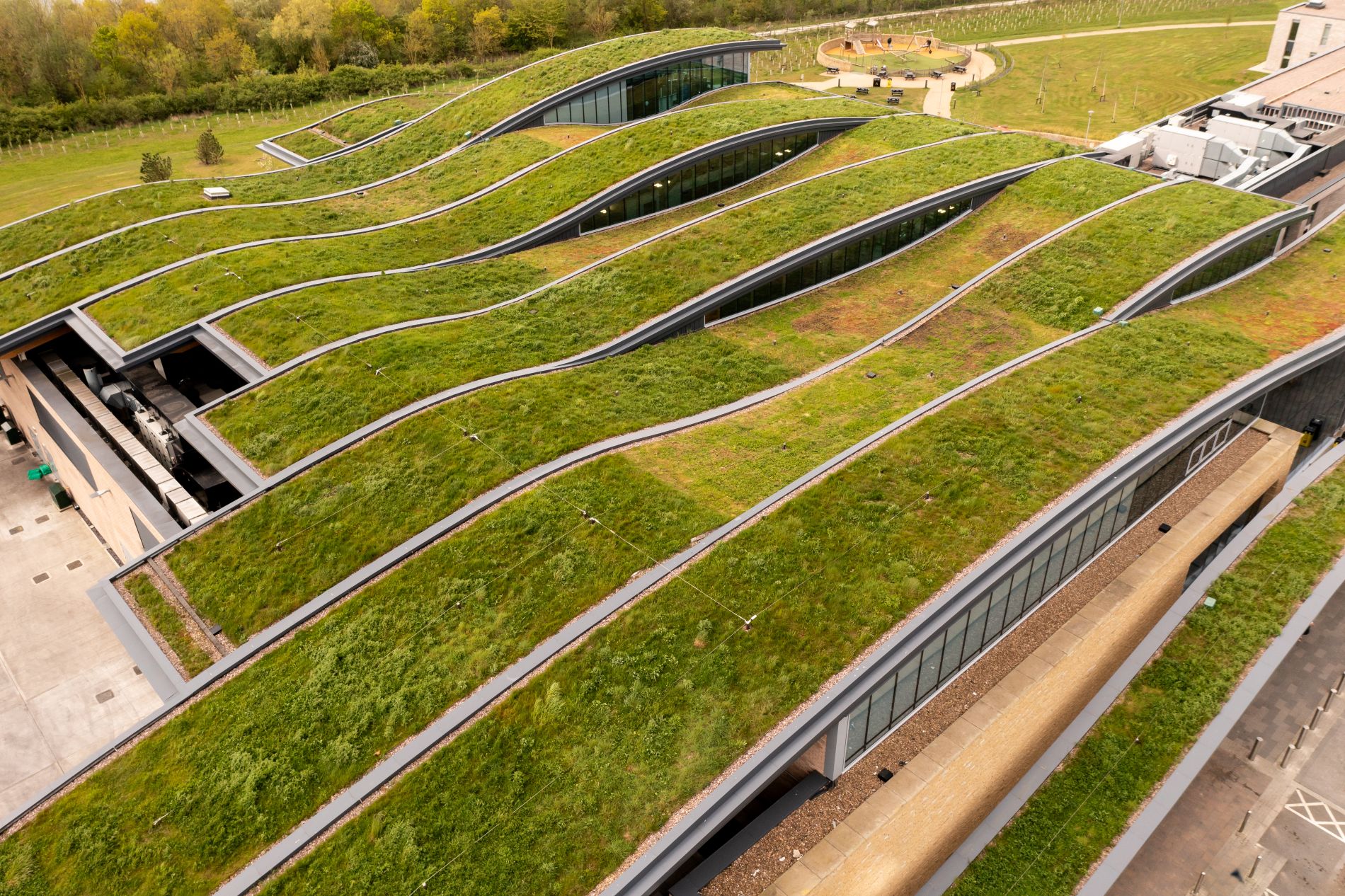
Modern biophilic design is just systematizing and documenting what humans have always known intuitively.
<h2>Why This Definition Matters</h2>
Clarity matters because if biophilic design is just "putting plants in rooms," then it's optional decoration. But if it's about creating fundamental environmental conditions that human biology requires, then it's essential infrastructure.
The difference changes how we approach design. It changes whether we see it as luxury add-on or basic need. It changes whether we implement it in basic housing and public schools or reserve it for premium projects.
Understanding that biophilia is biological—not subjective—means understanding that biophilic design isn't about making spaces pretty. It's about making them support human functioning.
For practical understanding of how these principles get applied across different spaces and scales, explore the <a href="https://biophilicflair.com/biophilic-design-by-space/">space-specific implementation guide</a>. For the research framework behind these principles, check the <a href="https://biophilicflair.com/biophilic-design-principles-patterns/">principles and patterns guide</a>. And for understanding the complete approach to biophilic design, return to the <a href="https://biophilicflair.com/biophilic-design-complete-guide/">main biophilic design guide</a>.

Carl, a biophilic design specialist, contributes his vast expertise to the site through thought-provoking articles. With a background in environmental design, he has over a decade of experience in incorporating nature into urban architecture. His writings focus on innovative ways to integrate natural elements into living and working environments, emphasizing sustainability and well-being. Carl’s articles not only educate but also inspire readers to embrace nature in their daily lives.