# When My Sister’s Migraines Led Me to Discover How Nature Fights Pain
I’ll never forget watching my sister Claire curl up in a ball on her bedroom floor, hands pressed against her temples, whimpering from another one of those devastating migraines that had been ruining her life for years. We’d tried everything – prescription meds that made her feel like a zombie, elimination diets, expensive supplements, even acupuncture. Nothing really worked consistently.
This particular afternoon, I’d been bugging her for weeks to let me mess around with her home office setup. The room was honestly depressing – harsh fluorescent lights that buzzed constantly, one tiny window blocked by a filing cabinet, beige walls, fake wood desk from Office Depot. I mean, I’d get a headache just walking in there, and I don’t even suffer from migraines.
So while she was laid up, I kind of took matters into my own hands. I’d been reading about this thing called biophilic design – basically making indoor spaces more connected to nature – and figured we had nothing to lose. I bought some full-spectrum LED bulbs that supposedly mimic natural daylight (about forty bucks at the hardware store), moved her desk right up to the window so she could see the little courtyard outside, and grabbed a few plants I’d read were good for air quality. Nothing fancy – a peace lily from the grocery store for twelve dollars, a snake plant that the guy at Home Depot promised was impossible to kill, and this little Meyer lemon tree I found on clearance that made the whole room smell amazing.
Three weeks later, my phone rang at 7 AM and Claire was crying. But not the usual pain-crying I’d gotten used to. She was happy-crying, which honestly freaked me out more.
“I can’t believe this,” she said. “I felt a migraine starting yesterday – you know that weird visual thing I get, the sensitivity to sound. But instead of immediately popping pills and hiding in the dark like always, I just sat at my desk and looked out at those trees swaying in the wind. I focused on breathing and just… watched the light change. The headache didn’t go away completely, but it didn’t get worse either. I actually worked for six hours with a manageable migraine. Six hours!”
That phone call sent me down the deepest rabbit hole I’ve ever fallen into. I spent the next few months reading everything I could find about how natural environments affect pain. And honestly? The research is kind of mind-blowing.
Turns out there was this study done in Sweden where they took people recovering from gallbladder surgery and randomly put them in hospital rooms either facing trees and grass or facing a brick wall. The nature-view patients needed way less pain medication and went home a day earlier on average. The only difference was literally what they could see out their window.
There’s this concept called attention restoration theory that explains part of what’s happening. Natural scenes provide what researchers call “soft fascination” – they capture our attention gently without requiring intense focus. Think about watching clouds move or water ripple. Your brain is engaged but not stressed. This type of gentle mental engagement actually helps reduce how intensely we perceive pain.
It’s different from other distractions like TV or scrolling through your phone, which actually create more mental fatigue. I learned this the hard way when I was dealing with a really bad tooth infection last year. Binge-watching Netflix while waiting for my dentist appointment just made everything feel worse. But sitting in the little garden area outside the dental office, watching birds hop around in the bushes, genuinely helped me feel calmer.
The physiological stuff is fascinating too. When we’re exposed to natural elements, our nervous system shifts into what’s called parasympathetic mode – basically “rest and digest” instead of “fight or flight.” This reduces muscle tension, lowers inflammation, and decreases stress hormone production. All of those things amplify pain when they’re elevated, so calming them down has real physical effects.
I started experimenting with this in my own apartment. I don’t deal with chronic pain like Claire, but I do get tension headaches from staring at spreadsheets all day at my data entry job. I moved my desk so I could see the maple tree outside my window, added a small tabletop water fountain I found at a thrift store for eight bucks, and got way more plants than my tiny space probably needed.
The difference wasn’t dramatic, but it was noticeable. Those end-of-workday headaches that used to hit me around 4 PM started happening less often. When they did come on, I found myself just naturally looking out at the tree and taking deeper breaths instead of immediately reaching for ibuprofen.
My neighbor Mark noticed what I was doing and asked for help. He’s got chronic back pain from a construction accident a few years ago and lives in this studio apartment with barely any natural light. We couldn’t do major renovations – he’s renting too – but we got creative with what was possible.
We rearranged his furniture to maximize the little bit of sunlight he gets from his north-facing window. Found him some plants that could handle low light conditions – pothos, ZZ plant, a couple of those snake plants that seem to thrive on neglect. Replaced his polyester bedding with cotton sheets and a wool blanket from a thrift store. Added that same style of tabletop fountain for some gentle background sound.
“I’m not gonna say it’s a miracle cure,” he told me a few months later, “but I’m taking maybe half the pain meds I used to. And the pain doesn’t dominate my thoughts the same way. Like, I can have a bad pain day but still enjoy watching a movie or reading a book.”
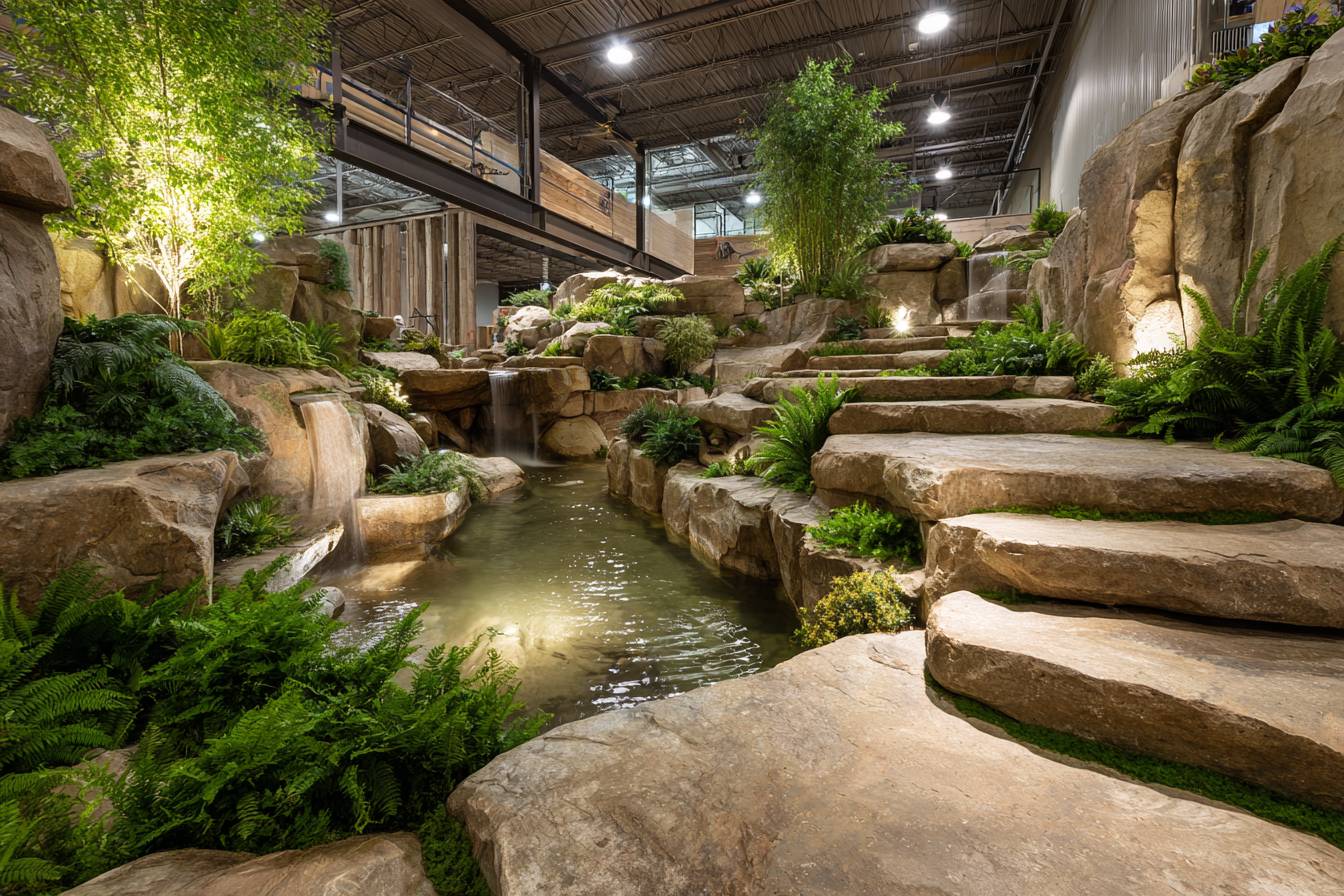
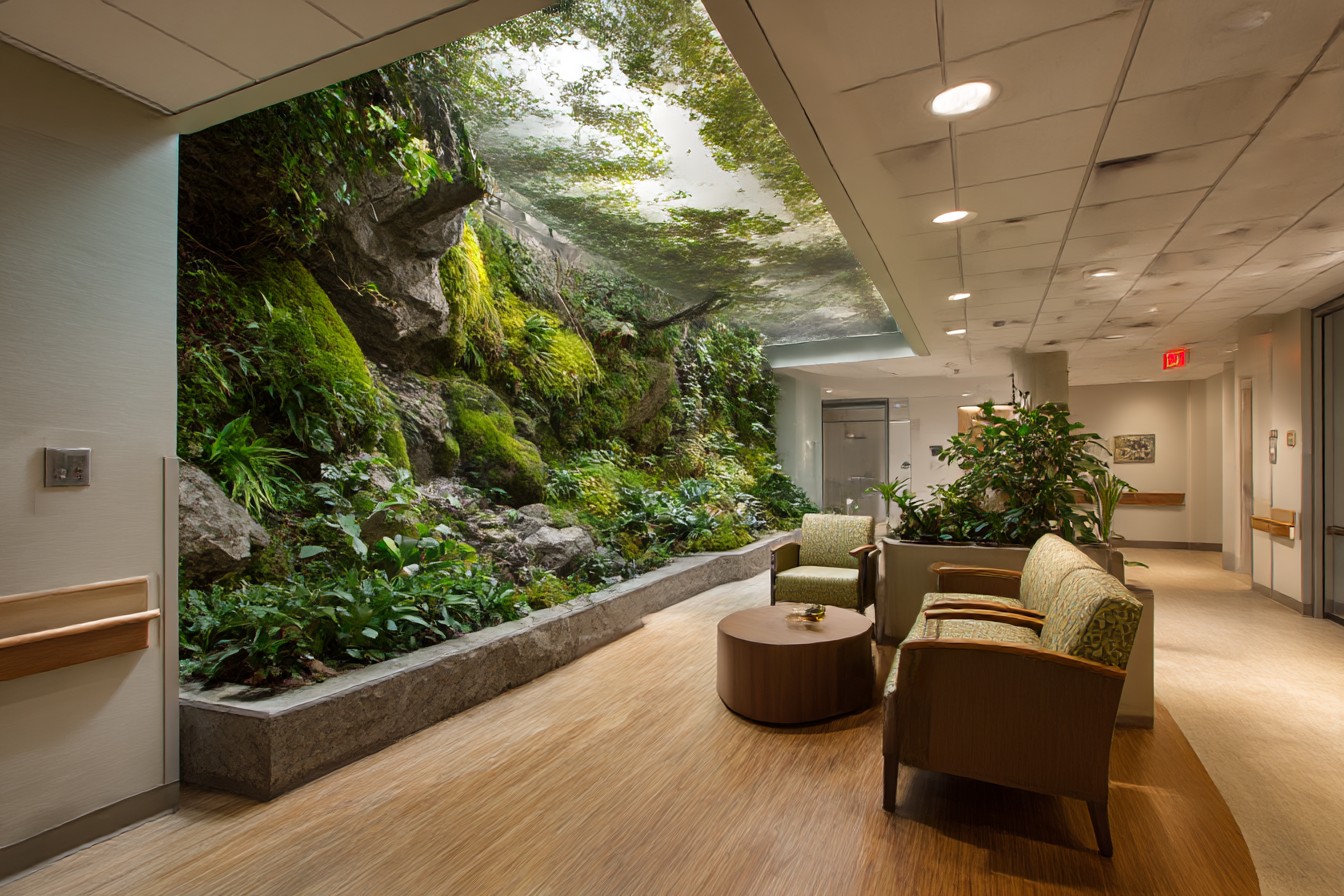
This got me curious about what they’re doing in actual medical settings. I read about a cancer treatment center in Denver that redesigned their chemo infusion area with a living wall, natural materials, and lighting that changes color temperature throughout the day like natural sunlight. The nursing staff reported that patients needed less breakthrough pain medication and had fewer nausea episodes.
One nurse was quoted saying she’d never seen environmental changes make such a clear physiological difference in her twenty-plus years of administering chemo. That really stuck with me because it wasn’t just about patients feeling mentally better – there were measurable changes in how much medication they needed.
The practical applications for regular people are actually pretty accessible, even on a tight budget. Natural light is probably the most important factor. If you can spend some time each day exposed to actual daylight, that’s ideal. But if you’re stuck indoors a lot like I am, those full-spectrum bulbs really do make a difference. I got ones that you can program to shift from energizing morning light to warmer evening tones, and my sleep improved noticeably.
Visual connections to nature help even when you can’t be outside. If you’ve got windows with any kind of natural view, position yourself where you can see outside when you’re dealing with pain. No decent view? I read about studies showing that even photographs of natural scenes can reduce pain perception. Apparently scenes that include both open areas and protected spots work best – like a meadow with some trees, or a beach with rocks.
The tactile stuff is interesting too. I started replacing synthetic materials I touch frequently with natural alternatives. Wooden desk instead of the particle board one I had before. Wool throw blankets instead of fleece. Cotton sheets instead of those microfiber ones that always felt weirdly slippery.
I met this woman with rheumatoid arthritis who swears that switching to wooden cooking utensils with cork handles reduces her hand pain during flare-ups. I don’t know if there’s specific research backing that up, but studies do show that direct contact with natural materials affects nervous system responses in measurable ways.
Plants are obviously a big part of this, and you don’t need to become a master gardener. I’ve killed my share of plants – that Meyer lemon tree didn’t make it past winter, and I somehow managed to overwater a cactus. But I’ve figured out which ones I can keep alive: snake plants, ZZ plants, pothos, peace lilies. They clean the air and the fractal patterns in their leaves supposedly induce relaxed brain wave activity. Plus there’s something satisfying about taking care of living things.
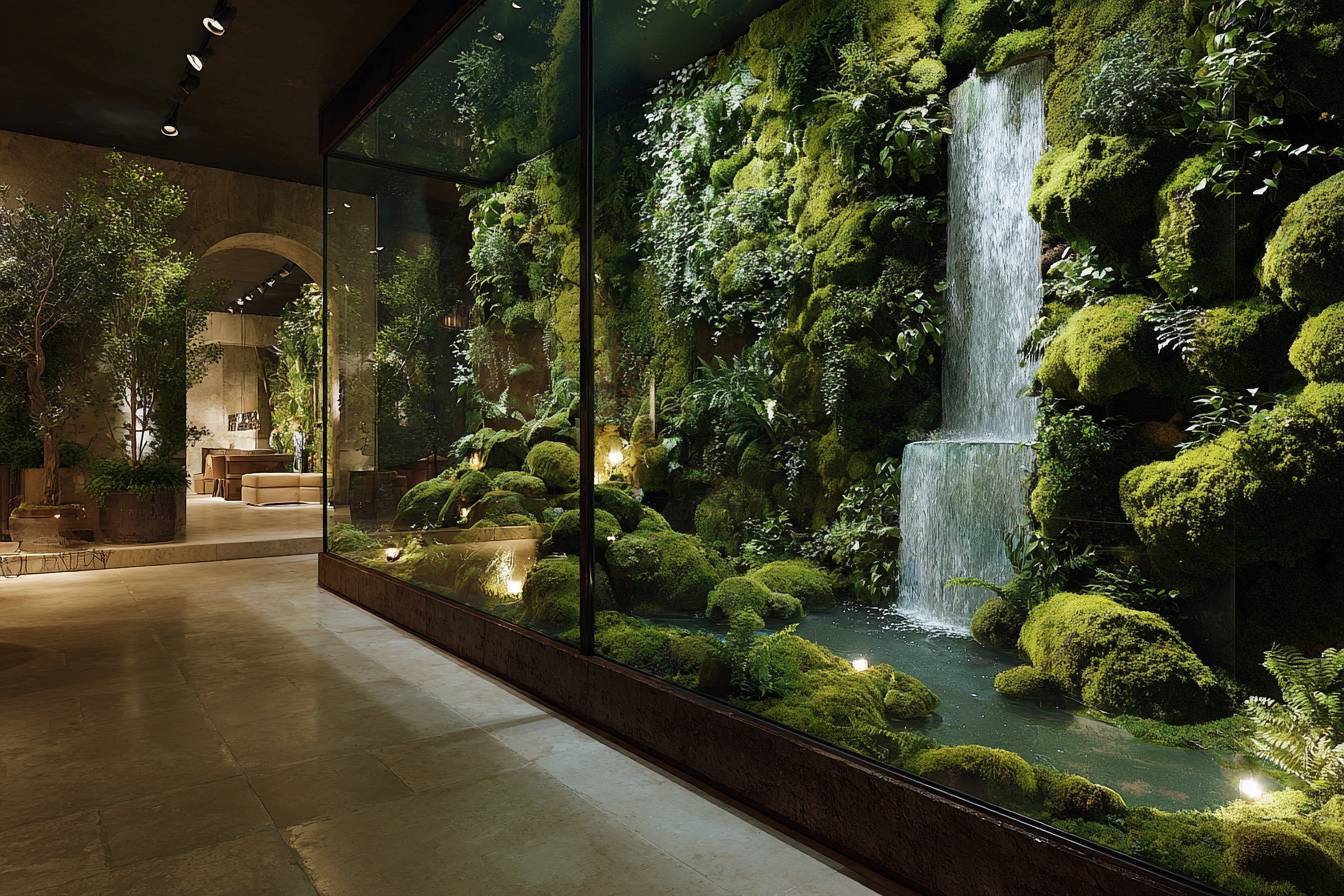
Sound matters too. That little water fountain creates what’s called pink noise – a naturally occurring sound pattern that masks distracting background noise while promoting relaxation. Wind chimes do something similar, or you can find recordings of nature sounds online. I have a playlist of rain sounds that I put on when my neck gets tense from hunching over my computer all day.
One thing I learned is that variability is key. Natural environments are never static – light changes throughout the day, air moves, temperatures fluctuate slightly. This seems to be important for sustained benefits. Static environments, even nice ones, kind of fade into the background of our awareness.
I read about a pain management clinic that installed a system that creates gentle, intermittent air movement mimicking natural breezes. Patients reported they could handle longer therapy sessions with less distress. Something about that subtle movement keeps your sensory system engaged in a way that perfectly still air doesn’t.
Temperature is worth thinking about too. We’re so used to buildings that maintain exactly 72 degrees year-round, but natural environments have gentle variations. Some research suggests that slight temperature changes might actually help pain patients by preventing their nervous systems from becoming oversensitive to thermal stimuli.
What I find encouraging is how accessible this approach is. You don’t need to spend thousands of dollars or completely renovate your space. Even small changes can make real differences in how we experience pain.
I came across an article about a pain psychologist who started “prescribing” daily nature contact alongside regular cognitive therapy for chronic pain patients. She found that patients who spent even twenty minutes daily in natural settings – just a local park or sitting under a tree – reported significantly better pain coping abilities and less catastrophic thinking about their conditions.
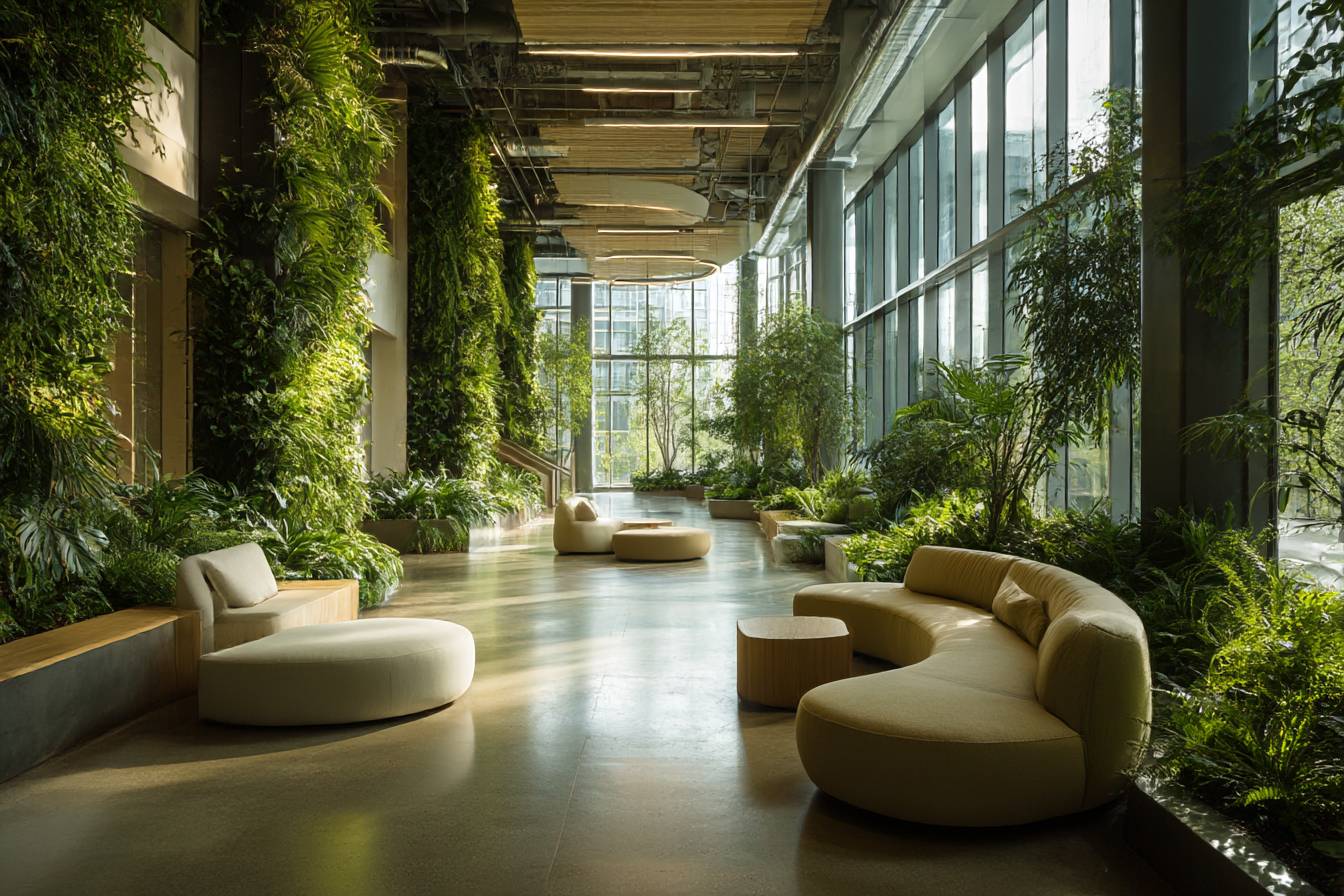
The thing is, biophilic design isn’t all-or-nothing. Start with whatever elements appeal to you most. Maybe that’s adding plants, creating a small water feature, or just rearranging furniture to get more natural light. Pay attention to how different changes affect your experience, then build on what works.
This connection between natural environments and healing isn’t new – traditional healing practices across cultures have recognized it for thousands of years. What’s relatively new is our scientific understanding of why it works and how to deliberately incorporate these elements into modern buildings.
Claire still gets migraines sometimes, but they’re less frequent and less severe. She’s been able to reduce her medication significantly, and more importantly, she doesn’t spend every day dreading the next attack. Her office has become her favorite room in the house instead of a place she associates with pain.
If you’re dealing with any kind of chronic pain, it’s worth considering how your environment might be modified to better support your management strategies. Sometimes the most effective interventions don’t come from a pharmacy but from reconnecting with the natural elements our bodies evolved to respond to.
I’m not suggesting anyone abandon conventional medical treatment – that would be irresponsible and potentially dangerous. But as a complement to traditional approaches, bringing elements of the natural world into our built environments can create conditions that help our bodies function more like they’re supposed to. And for people in pain, that can genuinely be life-changing.
The connection between our surroundings and our physical well-being is profound. By making our indoor spaces more nature-connected, we’re not just creating prettier rooms – we’re creating environments that support our biology instead of working against it. And honestly, in our increasingly indoor, artificial world, we need all the help we can get.

Jeff writes about bringing bits of nature into everyday living spaces — not as a designer, but as a curious renter who experiments, fails, and keeps trying again. He shares what he’s learned about light, plants, and small changes that make big differences for real people living in ordinary apartments.